
For most homeowners, building a custom home is unfamiliar territory.
You start with a vision, a set of plans, and a lot of excitement. But once the process begins, it quickly becomes clear—there’s more to it than just picking finishes and watching it come together.
A custom home doesn’t happen all at once. It moves in stages, and each stage brings a different kind of decision-making.
Understanding what those stages feel like—and how to approach them—can make the entire process feel more manageable and a lot less overwhelming.
The Early Stage: Everything Feels Wide Open
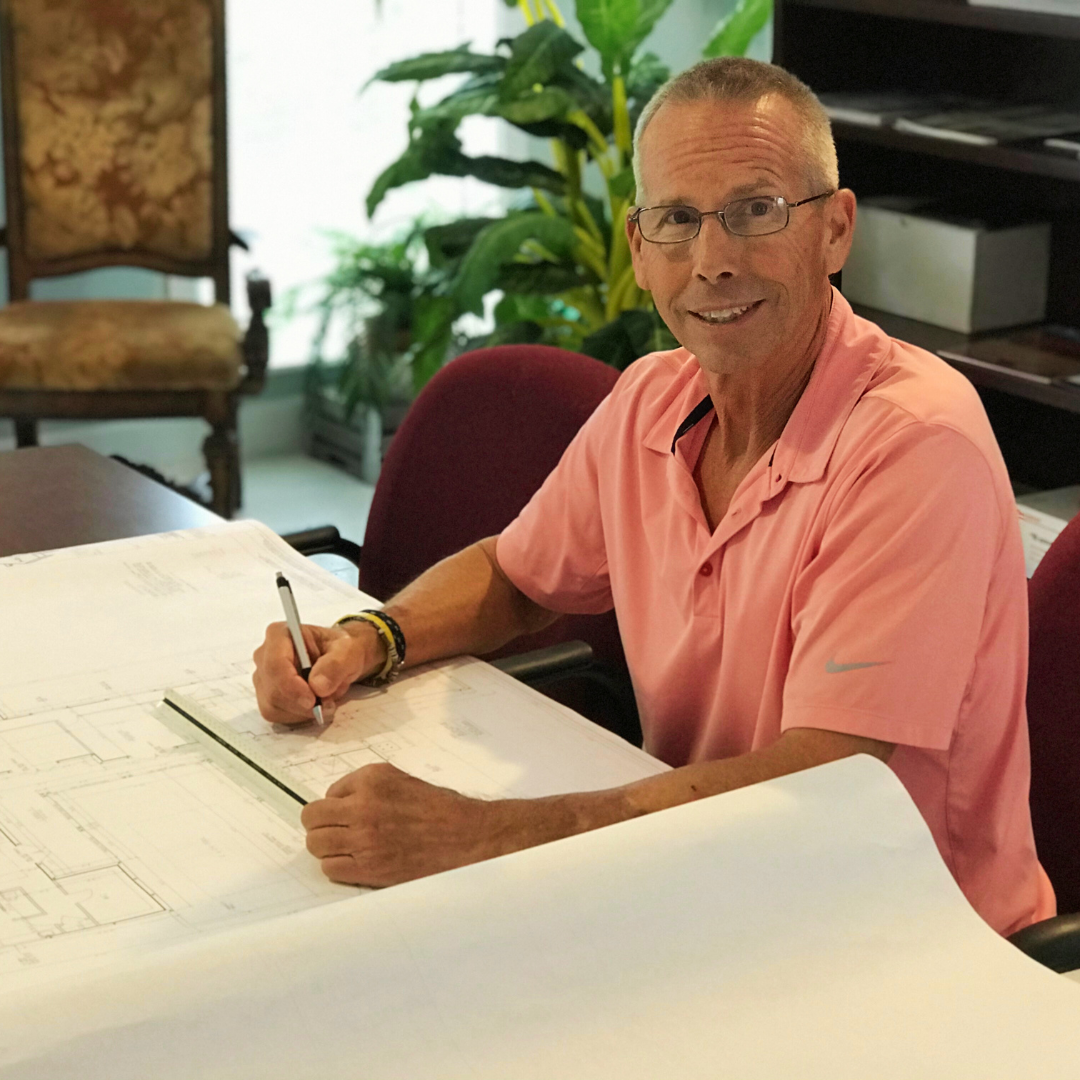
At the beginning, there’s a lot of flexibility.
You’re looking at floor plans, layout options, and the overall direction of the home. This is usually the most exciting part—but also where people can get stuck trying to figure everything out all at once.
What helps here is stepping back from the details and focusing on how you actually live.
Think about:
- Where you naturally spend your time
- What needs to feel open vs. private
- What would make everyday life easier
Getting this part right early tends to make everything that follows feel more natural.
The Middle Stage: Decisions Start Coming Faster
Once construction begins, the pace changes.
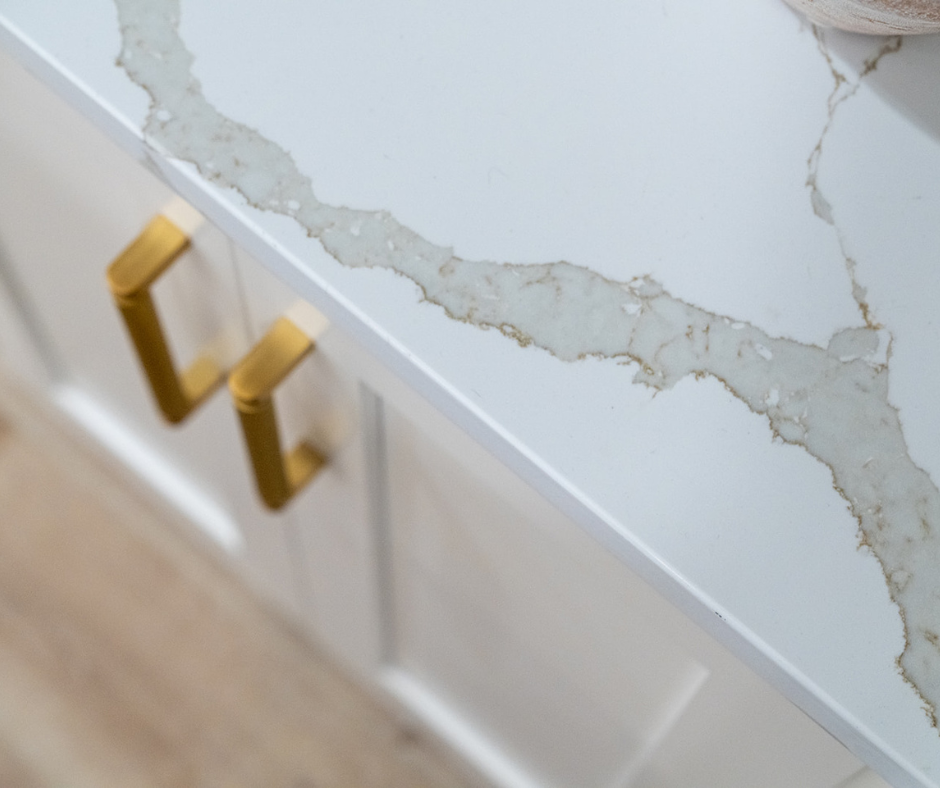
Now you’re making more specific decisions—flooring, cabinetry, fixtures—and they don’t always come one at a time. They tend to come in groups.
This is where the process can start to feel a little heavier. Not because anything is wrong, but because there’s simply more to keep track of.
What helps here is having a sense of priority.
Not every decision needs the same level of attention. Knowing where you want to invest your time and energy—and where you’re comfortable keeping things simple—can make this stage feel much more manageable.
The Build Stage: Things Start to Feel Real
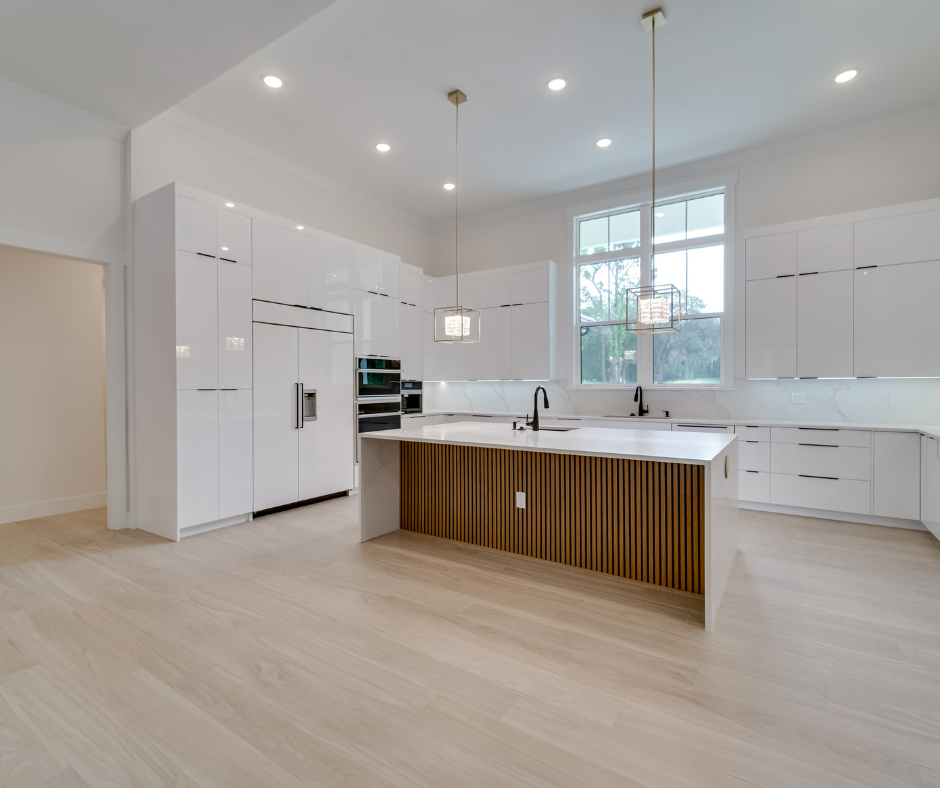
At some point, the house stops being a plan and starts becoming a place.
Rooms take shape. Walkways make sense. You start to see how everything connects.
This is also when new thoughts tend to come up.
You might notice small opportunities to improve a space or realize how you’ll actually use something day to day.
That’s normal—and it’s part of the process.
What helps here is staying engaged.
Walk through the home when you can. Ask questions. Think about how each space will feel once you’re living in it—not just how it looked on paper.
This is often where the most meaningful refinements happen.
The Final Stage: It All Comes Together
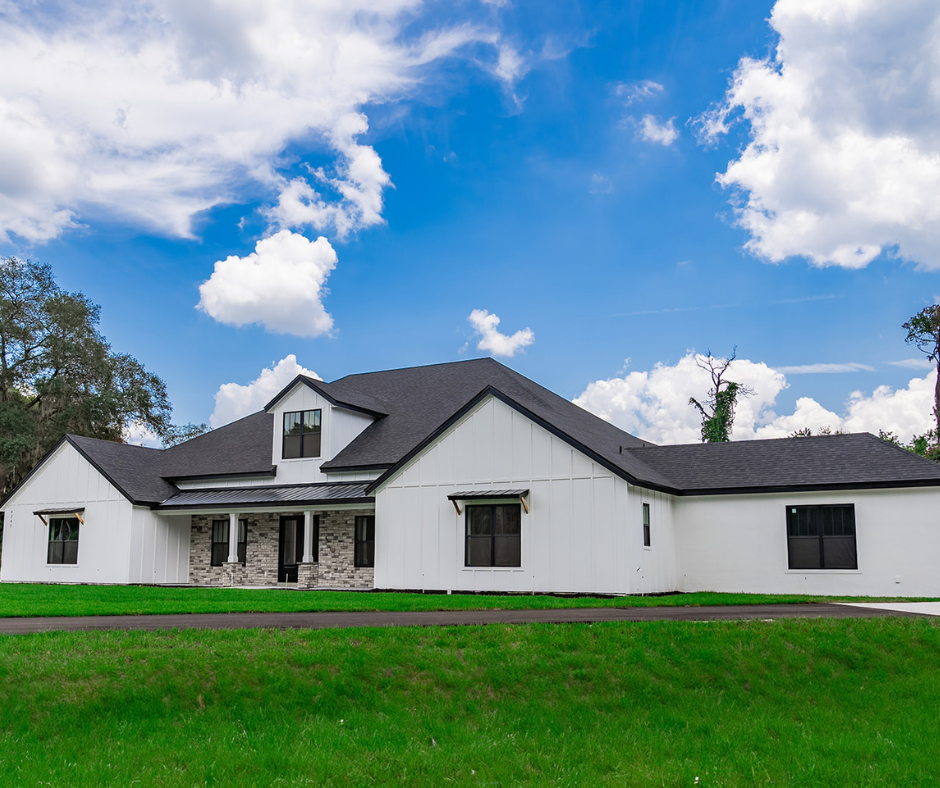
Toward the end, the focus shifts again.
Now it’s about the details—finishes, final walkthroughs, and making sure everything feels complete.
At this point, most homeowners start to see how all the earlier decisions connect.
What helps here is slowing down just enough to take it all in.
Look at how the spaces flow. Notice how the light moves through the home at different times of day. Pay attention to how everything feels as a whole.
This stage isn’t just about finishing—it’s about making sure it all comes together the way you hoped it would.
What Makes the Biggest Difference Along the Way
No matter the stage, a few things consistently shape the experience:
Clear communication
Knowing what’s happening—and what’s coming next—keeps the process grounded.
Flexibility in the right places
Not everything has to be decided upfront. Some of the best choices happen as the home takes shape.
A builder who stays involved
Having someone who is engaged throughout the process helps catch things early, guide decisions, and keep everything moving in the right direction.
Final Thought
A custom home build isn’t just a list of decisions—it’s a process that evolves.
Each stage brings something different. And when you understand that going in, the experience feels less like a series of unknowns and more like something you can move through with confidence.
Because in the end, it’s not just about getting to the finish line.
It’s about creating a home that feels right every step of the way.