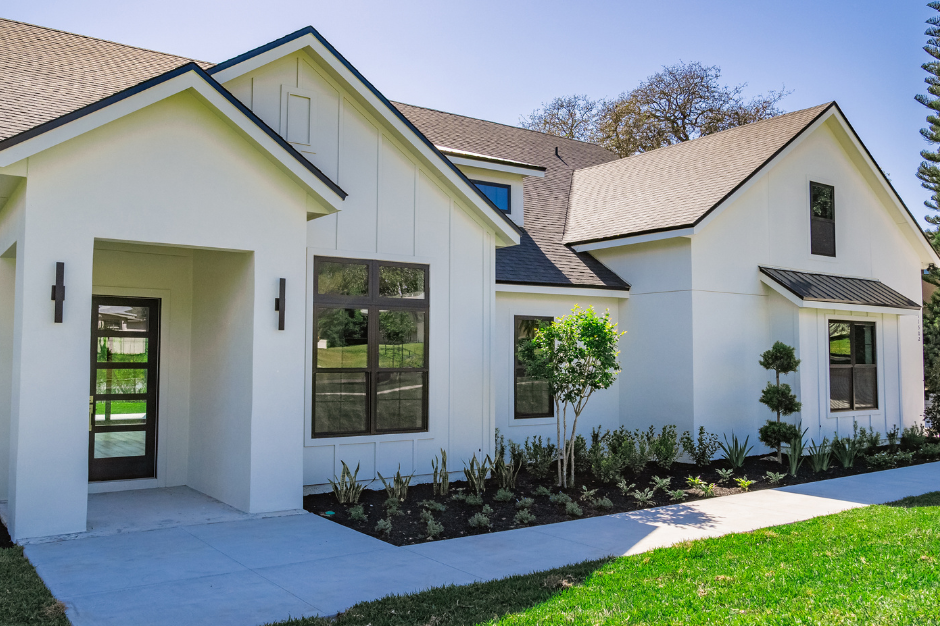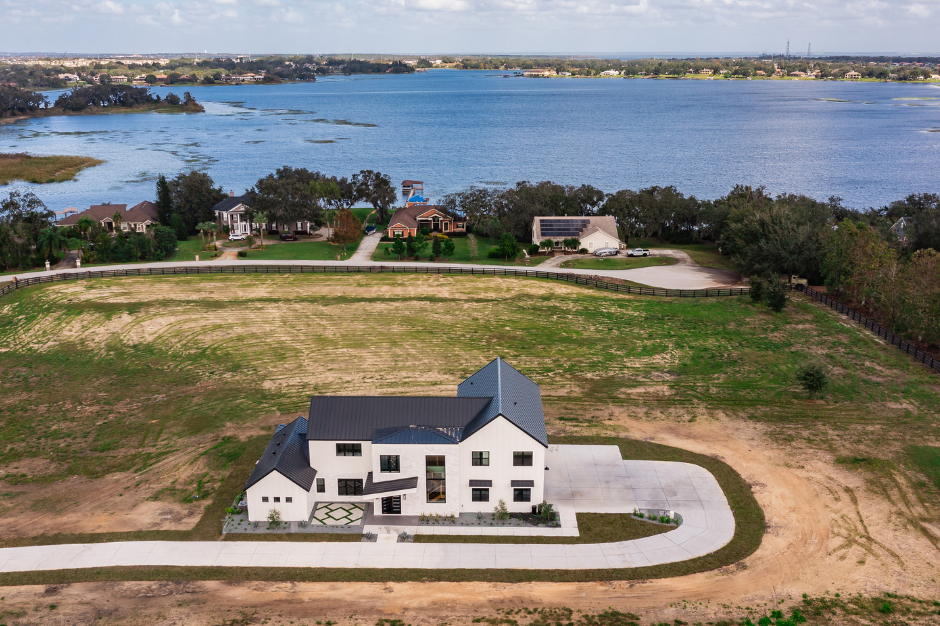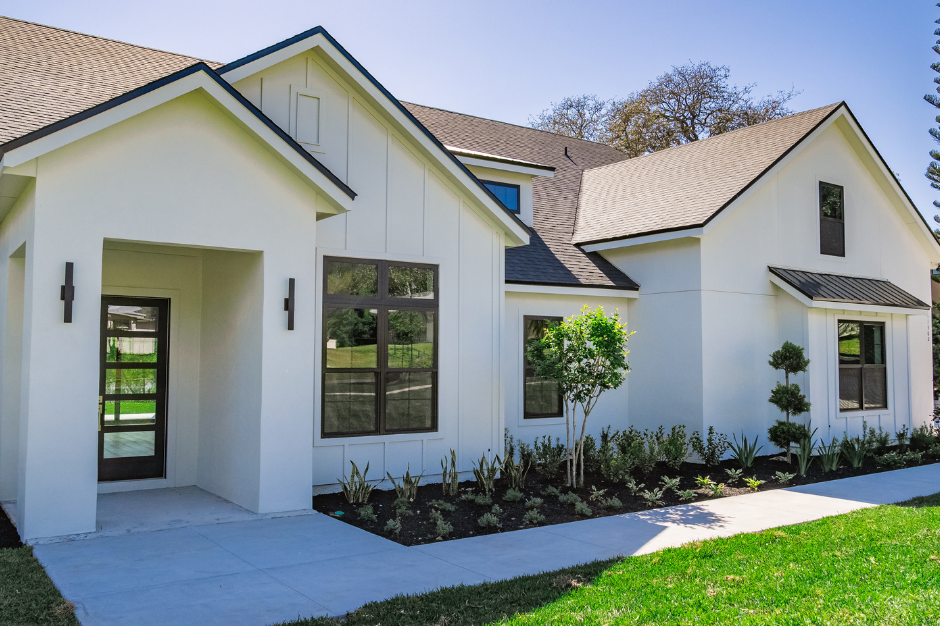

Building a custom home is exciting, but it also comes with a lot of decisions. Floor plans, finishes, fixtures, layouts, and features all start to add up quickly. It’s easy to focus on what looks good today, but one of the most important parts of the custom home process is thinking about how the home will feel years from now.
A well-designed custom home should not only fit your life today — it should continue to work for you as your needs change, your family grows, and your priorities shift. Thoughtful planning early in the process can make the difference between a home that feels temporary and one that feels right for the long term.
Start With How You Live, Not Just What You Like
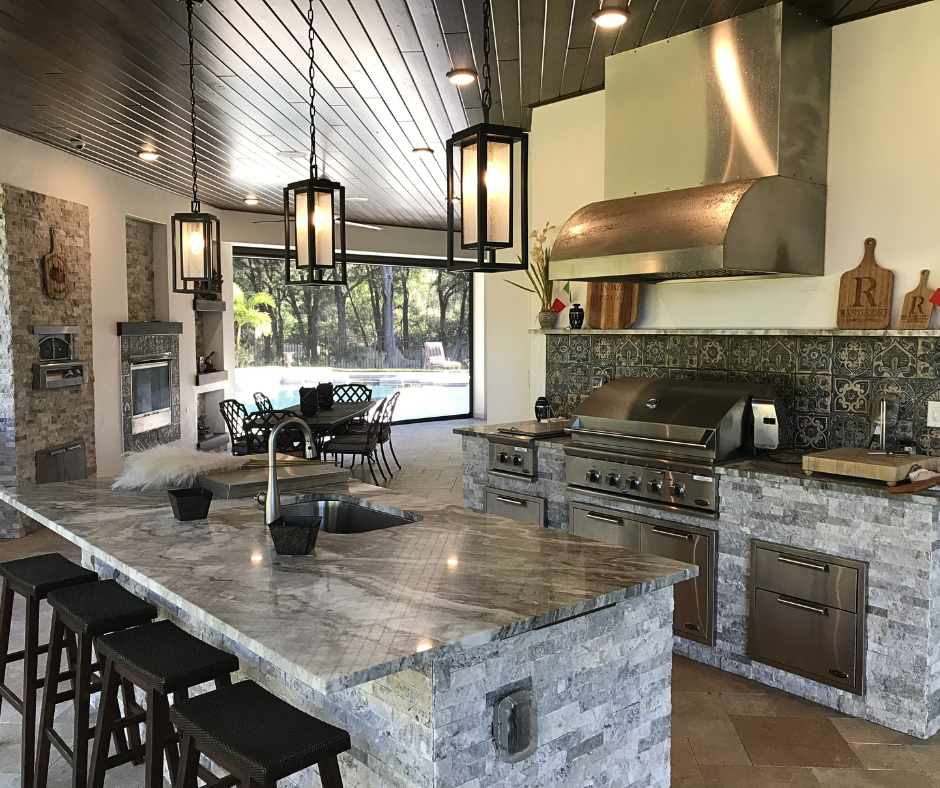
One of the biggest advantages of building custom is the ability to design around your lifestyle instead of trying to adjust your lifestyle to fit a house.
Before getting too far into design details, it helps to think about how you actually live day to day.
Do you host family often?
Do you prefer open spaces or quieter rooms?
Will this be a forever home or a stepping-stone?
Do you need space for hobbies, work, or guests?
When the layout is built around real life instead of trends, the home tends to feel comfortable for much longer.
Focus on Layout and Flow Before Finishes
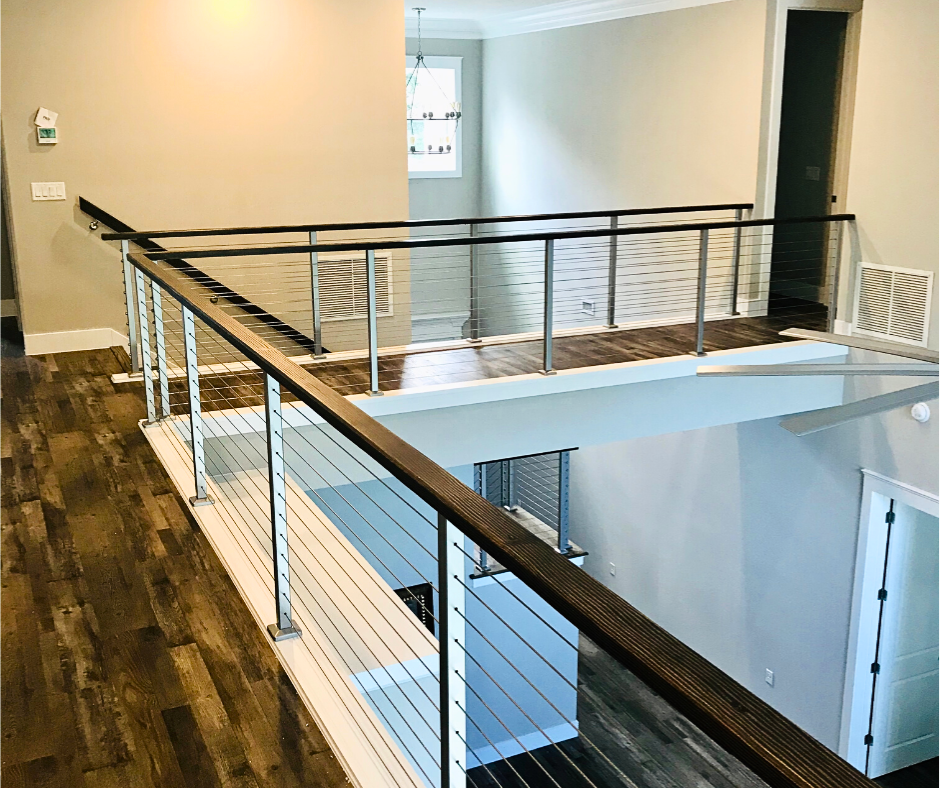
Finishes are important, but they can change over time. Layout, ceiling height, window placement, and room flow are much harder to change later.
A well-planned layout can make a home feel natural, open, and easy to live in, while a poorly planned one can make even a beautiful home feel awkward.
Things like traffic flow, storage, natural light, and how rooms connect to each other have a bigger impact on everyday living than most people expect.
That’s why taking time during the planning stage matters so much.
Think About the Future, Not Just the Present
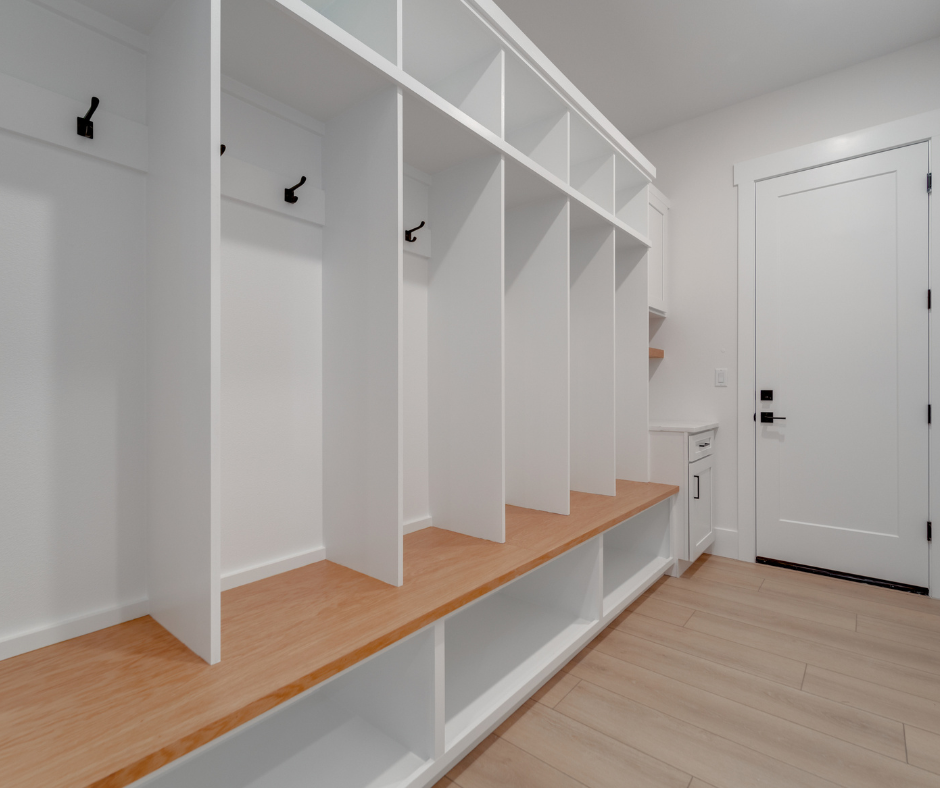
Many people who build custom homes are not building for the short term. They are building with the future in mind.
That might mean planning for retirement, making space for children and grandchildren, or designing a home that can adapt as needs change.
Features like wider hallways, first-floor living, flexible rooms, and thoughtful storage can make a home easier to live in for years to come.
Planning ahead does not mean overbuilding. It simply means making decisions that will still make sense later.
Choose Quality Where It Matters Most
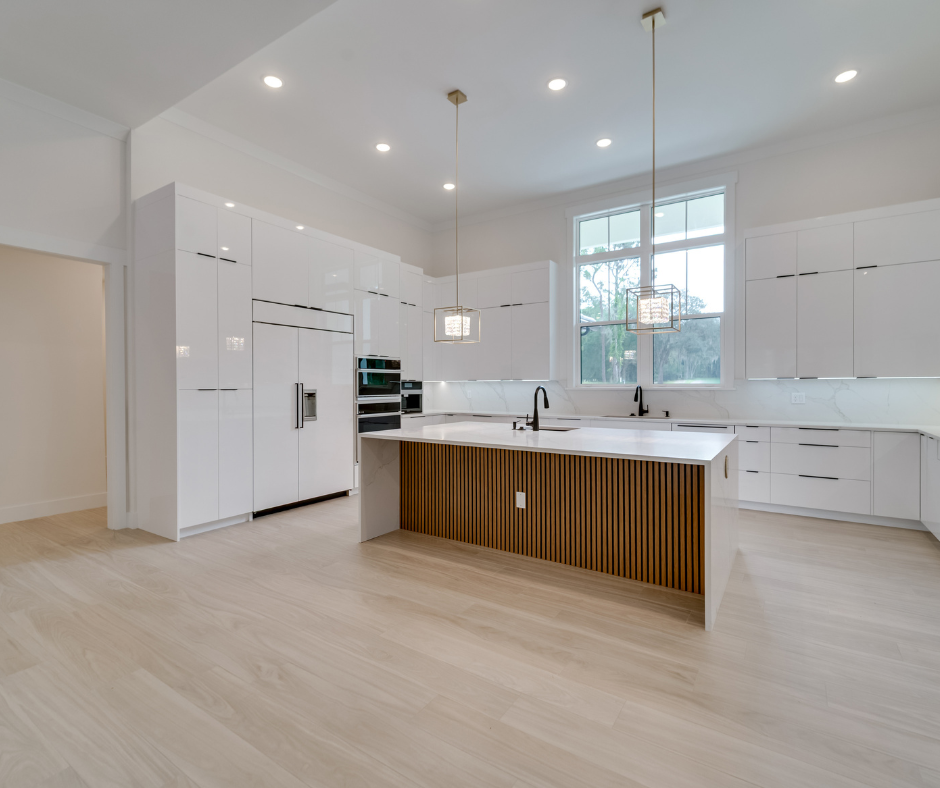
Trends will always change. Colors, fixtures, and styles come and go, but quality construction and thoughtful design never go out of style.
Investing in good structure, strong materials, and careful craftsmanship helps ensure that the home feels solid and comfortable long after the build is finished.
A custom home should not only look good when it’s completed — it should still feel right ten or twenty years later.
Work With a Builder Who Thinks Long Term
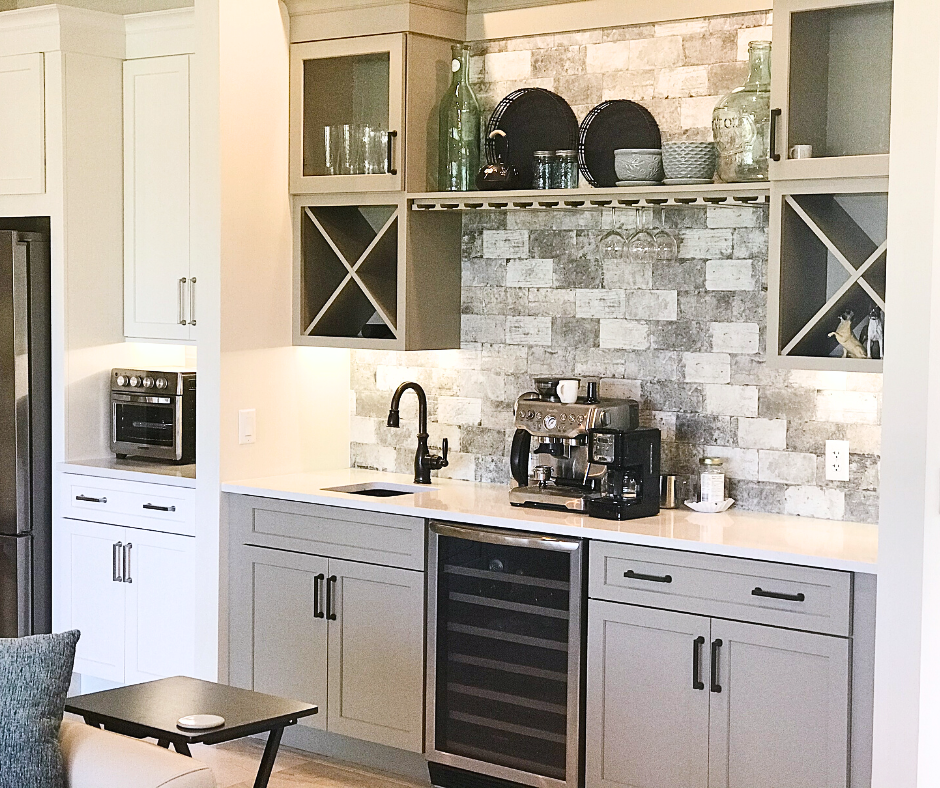
Designing a home that lasts starts with experience. A builder who has worked through many different types of projects can help guide decisions that make sense not only now, but in the future.
At Westmont Custom Homes, the goal has always been to help families design homes that fit their lives, their land, and their long-term plans. That means taking the time to think through the details early, so the finished home feels natural, comfortable, and built to last.
When the planning is done right, the result isn’t just a custom house — it’s a home that continues to feel right for years to come.