
Bigger Isn’t Always Better
When people begin planning a custom home, one of the first questions that often comes up is, “How big should it be?”
It’s understandable. Square footage is one of the easiest ways to compare homes, and it’s often treated as a measure of value.
But after building custom homes for many years, I’ve learned something interesting.
The homes people enjoy the most aren’t always the biggest.
They’re the ones that are thoughtfully designed around the people who live in them.
A well-designed home can feel larger, function better, and provide more enjoyment than a much bigger home with space that’s rarely used.
Every Square Foot Should Have a Purpose
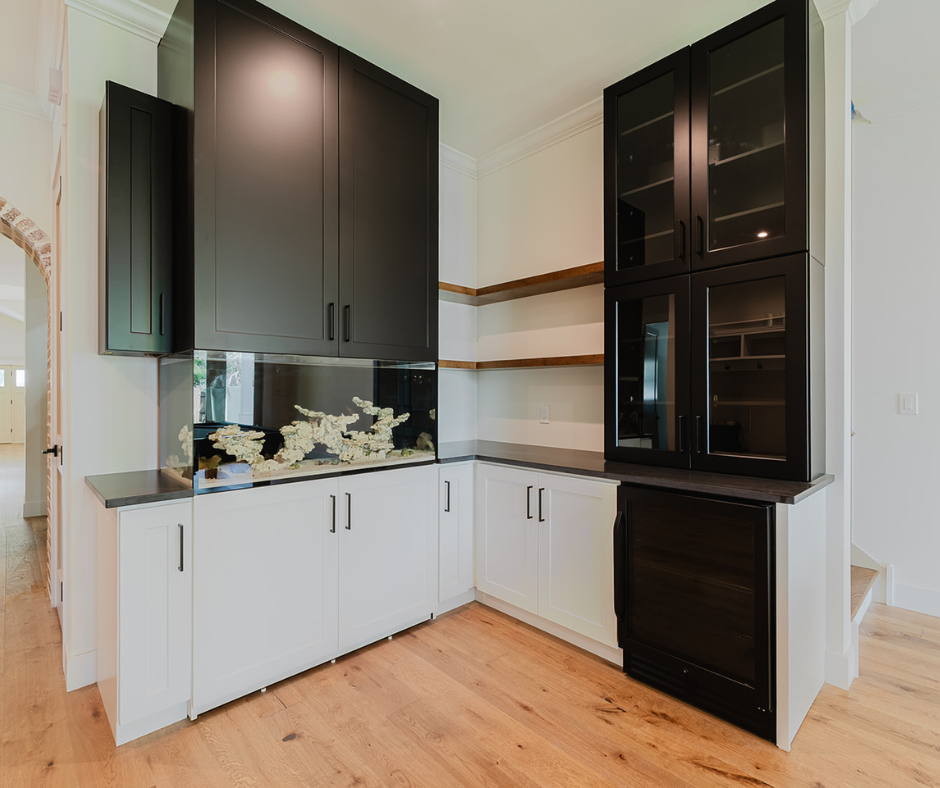
One of the advantages of building custom is that you’re not limited to someone else’s floor plan.
Instead of adding rooms simply to increase square footage, we focus on creating spaces that truly serve your family.
Sometimes that means:
- A larger pantry instead of a formal dining room.
- A spacious laundry room with built-in storage.
- A guest suite that doubles as a home office.
- An oversized lanai where your family will spend much of the year.
Those decisions often create a home that feels more comfortable without making it significantly larger.
Better Flow Makes a Home Feel Bigger
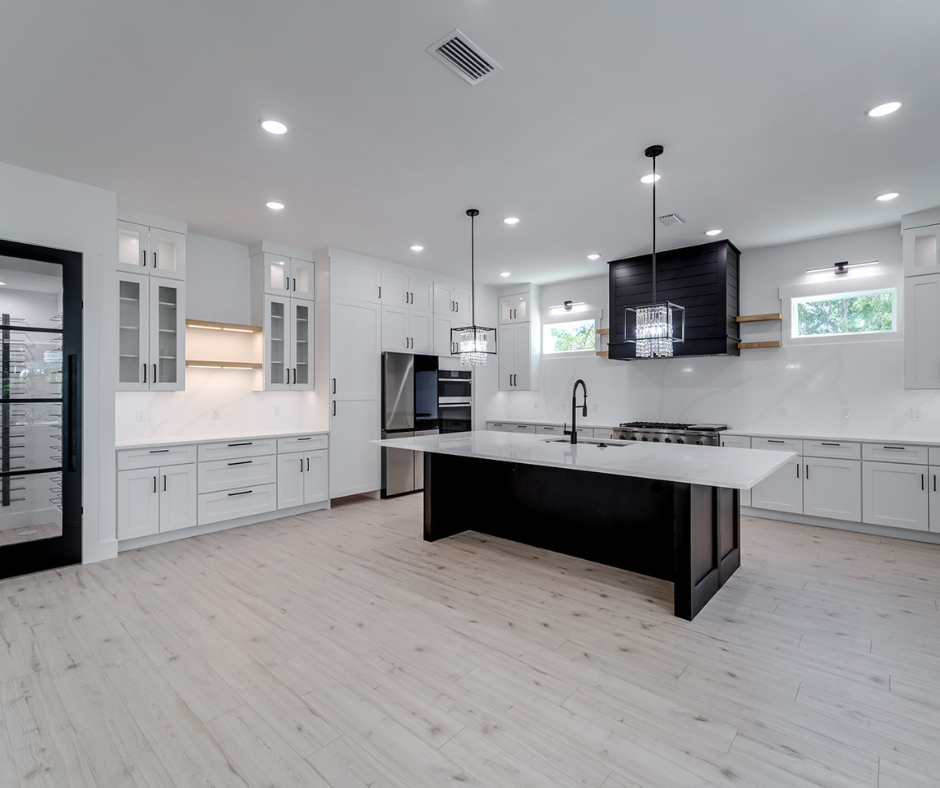
A home’s layout matters just as much as its size.
Wide hallways, abundant natural light, well-placed windows, and open sightlines can dramatically change how spacious a home feels.
Sometimes removing a wall or repositioning a doorway creates a greater sense of openness than adding another 300 square feet ever could.
That’s why we spend so much time discussing how our clients live before we begin designing.
Quality Over Quantity
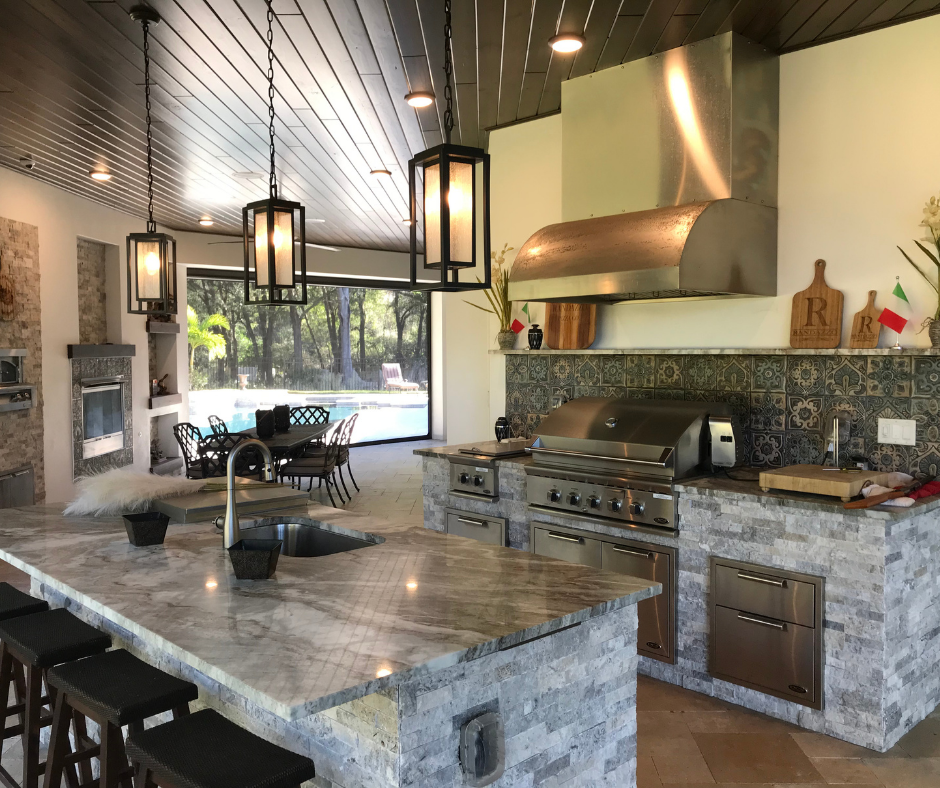
Every additional square foot comes with additional construction costs—not just today, but for years to come.
Larger homes often mean:
- Higher utility bills
- More maintenance
- Additional flooring, paint, and roofing to maintain
- More time spent cleaning
Instead of putting your budget toward unused space, you may decide you’d rather invest in:
- Larger windows
- Better cabinetry
- Higher-quality finishes
- A beautiful outdoor living area
- Energy-efficient features
Those are the things you’ll appreciate every single day.
Build for Your Lifestyle—Not Someone Else’s
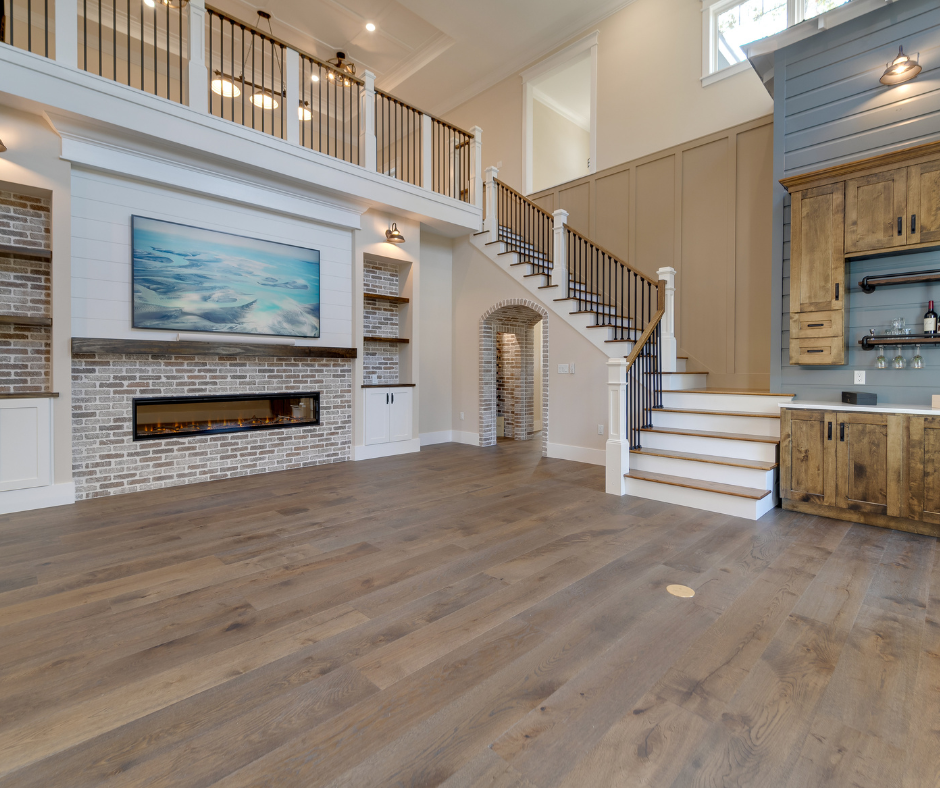
It’s easy to compare your plans to homes you’ve seen online or walked through in model communities.
But the best custom homes aren’t designed around trends or comparisons.
They’re designed around the people who live there.
If your family spends every evening together in the great room, that space deserves your investment.
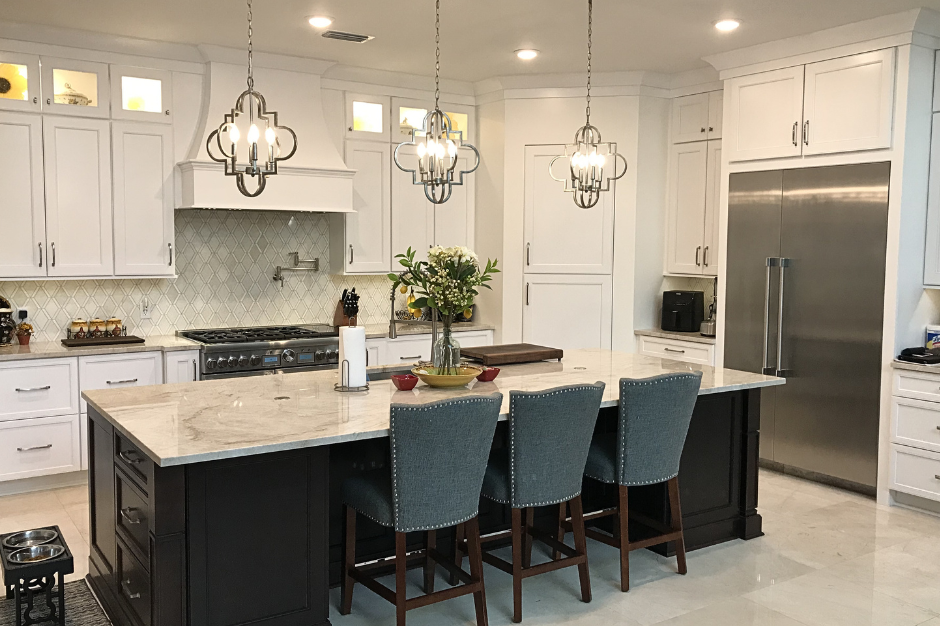
If you love cooking, your kitchen should reflect that.
If you work from home, your office should support your daily routine.
A home that fits your lifestyle will always feel more valuable than one that simply has more square footage.
A Home You’ll Enjoy for Years to Come
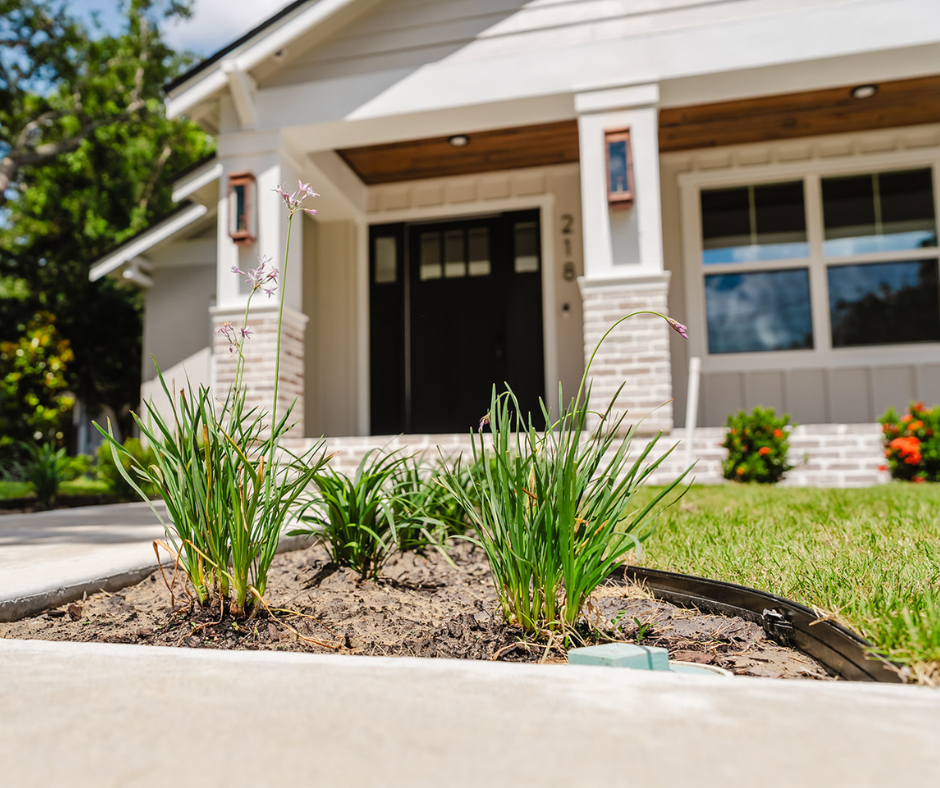
One of the greatest advantages of building custom is that every decision is intentional.
Instead of asking, “How big can we build?”
I encourage homeowners to ask,
“How well can we build for the way we live?”
In my experience, those are the homes families continue loving long after move-in day.
Jim’s Pro Tip
Don’t evaluate a floor plan by square footage alone.
Imagine walking through your typical day. Think about where you’ll cook, gather, relax, work, and entertain. A thoughtfully designed home often feels much larger than the numbers on paper suggest.