
Before the Build Begins: What Really Goes Into a Custom Home Timeline
“How long will it take?”
It’s one of the first questions people ask me when they’re thinking about building a custom home.
And it’s a fair question. If you’re planning to sell your current home, move to Florida, arrange financing or simply figure out when you might be able to move into the home you’ve been thinking about for years, you need some idea of the timeline.
But there’s something I always want homeowners to understand:
Building a custom home doesn’t start when we pour the slab.
There’s quite a bit of work that happens before the first truck ever pulls onto the property. And in my experience, the time we spend getting things right before construction begins can make everything that follows go much more smoothly.
So, how long does it really take to build a custom home in Central Florida?
The answer depends on the home, the property and the decisions we make together. But let’s talk about what’s actually happening during that time.
The Timeline Starts Before Construction
When people picture building a house, they usually picture the visible part.
The lot gets cleared. The foundation goes in. Walls go up. Windows arrive. Eventually, the kitchen starts looking like the kitchen you chose months earlier.
That’s the exciting part because you can see progress.
But some of the most important work happens before any of that.
Depending on where you are in the process when we first meet, we may need to work through things like:
- Evaluating the property
- Developing or modifying the home design
- Engineering
- Site planning
- Financing
- Pricing
- Material and finish selections
- Permitting
- HOA or architectural review requirements
- Coordinating utilities and site preparation
Every custom home is different.
Someone who already owns a build-ready lot and has a clear idea of the home they want is starting in a very different place from someone who just purchased several acres and is still deciding where the house should sit.
That’s why I’m always careful about giving people a one-size-fits-all timeline.
Why Does the Design Phase Take Time?
This is sometimes where homeowners get anxious.
You’ve made the decision to build. You’re excited. You’re ready to see something happening.
And we’re still talking about plans.
But plans are where we have the opportunity to solve problems with a pencil instead of solving them with a construction crew.
I’d much rather spend another week talking about a doorway, window placement or kitchen layout than have a homeowner walk through the framed house and say:
“I wish we had thought about this differently.”
That doesn’t mean every decision has to be perfect before construction starts. It won’t be.
But there are decisions that are much easier—and much less expensive—to make while they’re still lines on a drawing.
This is one reason I encourage homeowners not to rush the early part of the process just because it doesn’t look like construction yet.
Planning is part of building.
Your Property Can Affect the Timeline
The home itself is only part of the equation.
The land matters, too.
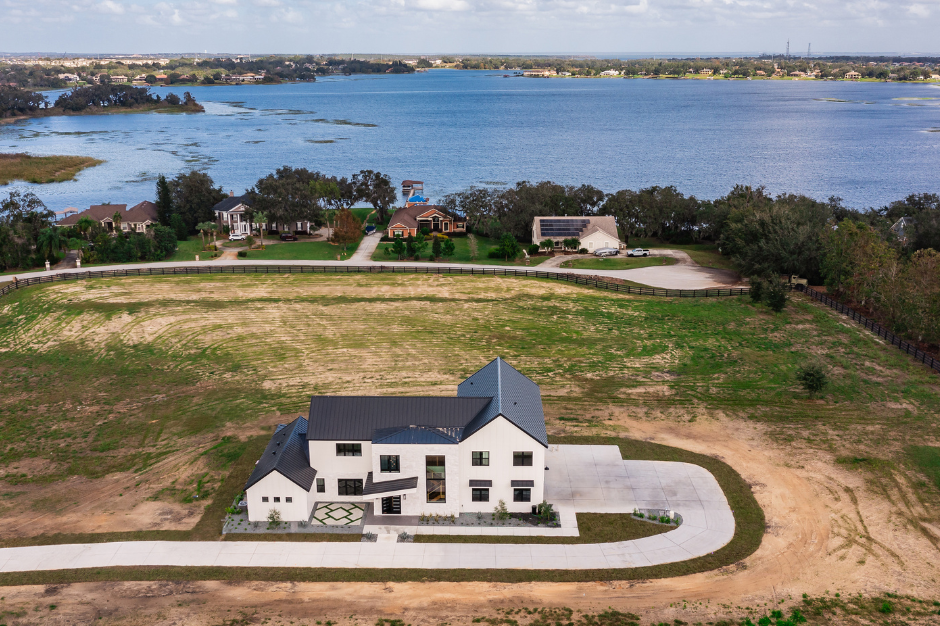
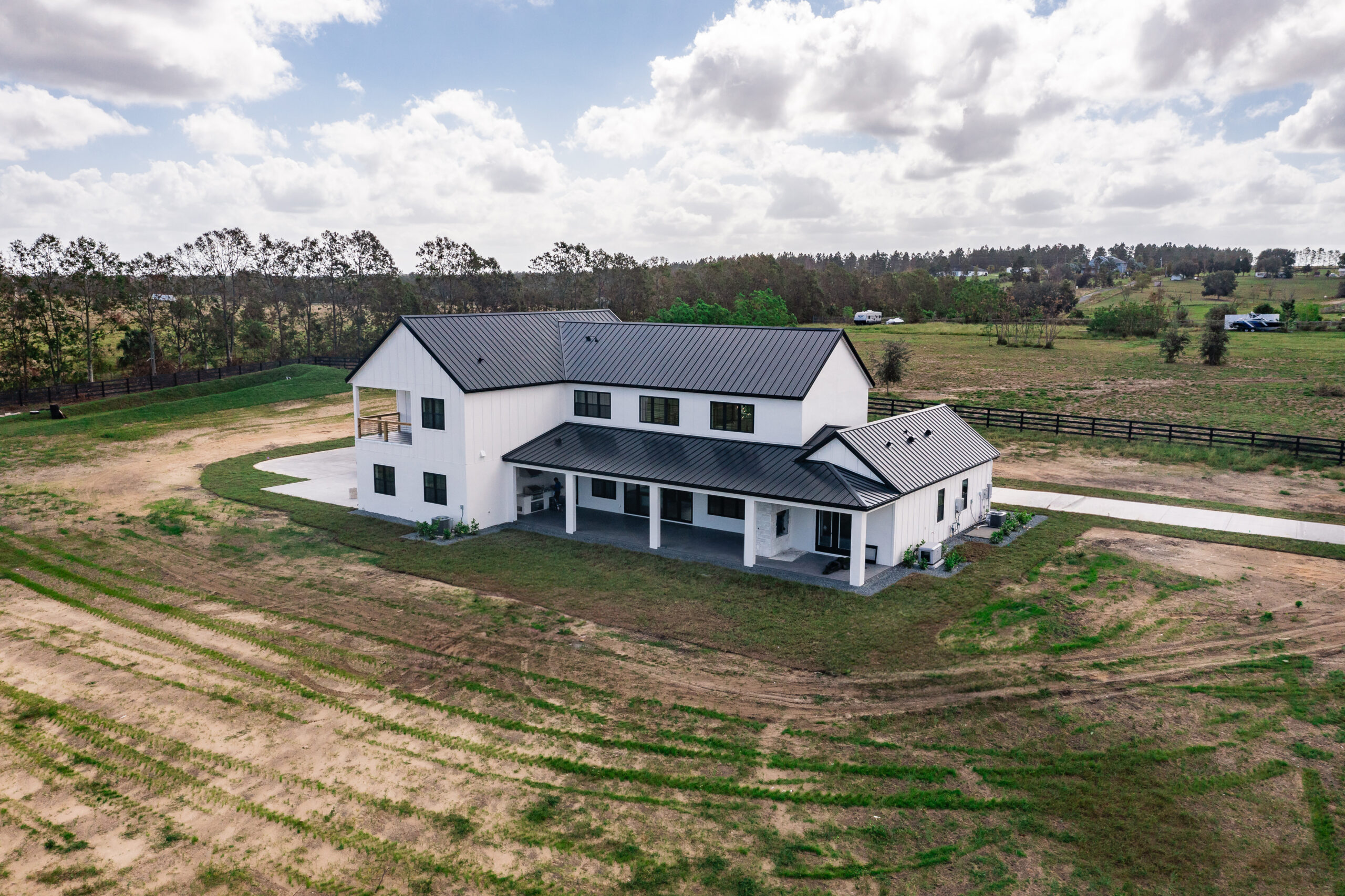
In Central Florida, we build on everything from established neighborhood lots to lakefront property and larger acreage. Each property brings its own considerations.
We may need to look at setbacks, drainage, elevation, trees, access, utilities, septic requirements, soil conditions, the location of the driveway and how the home should be positioned on the property.
A home that works beautifully on one lot may need adjustments on another.
And that’s exactly what custom building should allow us to do.
We’re not trying to make the property fit the house.
We’re figuring out how the two should work together.
Permitting Isn’t the Exciting Part—but It Matters
Nobody has ever called me excited because their permit application was submitted.
But it’s part of the process.
Permitting timelines can vary depending on the jurisdiction, the complexity of the project and whether additional information or revisions are requested.
There can also be architectural review requirements within certain communities.
This is one of those stages where it can feel as though nothing is happening because you don’t see construction equipment on your lot.
Things are happening.
They’re just happening behind the scenes.
Then Construction Begins
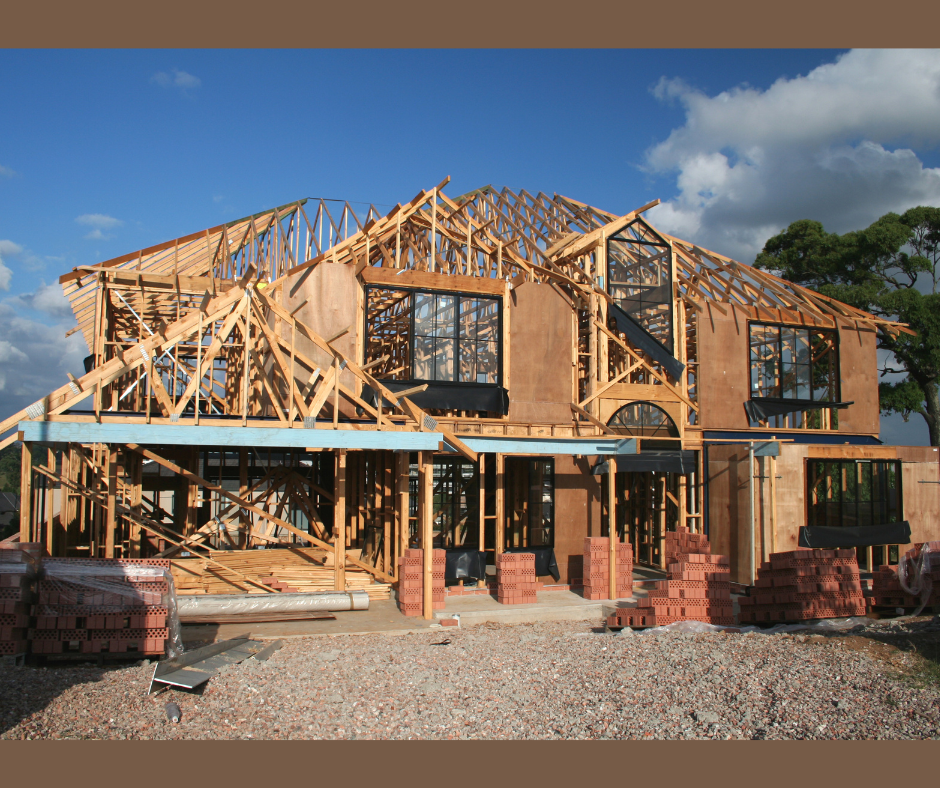
Once construction gets underway, the process becomes much more visible.
Site work.
Foundation.
Framing.
Roofing.
Windows.
Mechanical systems.
Insulation.
Drywall.
Cabinetry.
Trim.
Flooring.
Fixtures.
Finishes.
And somewhere along the way, what started as a set of plans begins feeling like your home.
For many of the custom homes we build, the active construction phase can often fall in the range of roughly seven to twelve months, but that should never be interpreted as a guarantee for every project.
A larger or more complex home may take longer. Weather can affect schedules. Specialty materials may have longer lead times. Changes made during construction can affect timing. Trade availability and inspections can affect the sequence.
I’d rather give someone a realistic expectation than promise a move-in date simply because it sounds good at the beginning.
Selections Can Keep a Project Moving—or Slow It Down
One thing homeowners may not realize is how much their own decision-making can affect a construction schedule.
There are a lot of selections in a custom home.
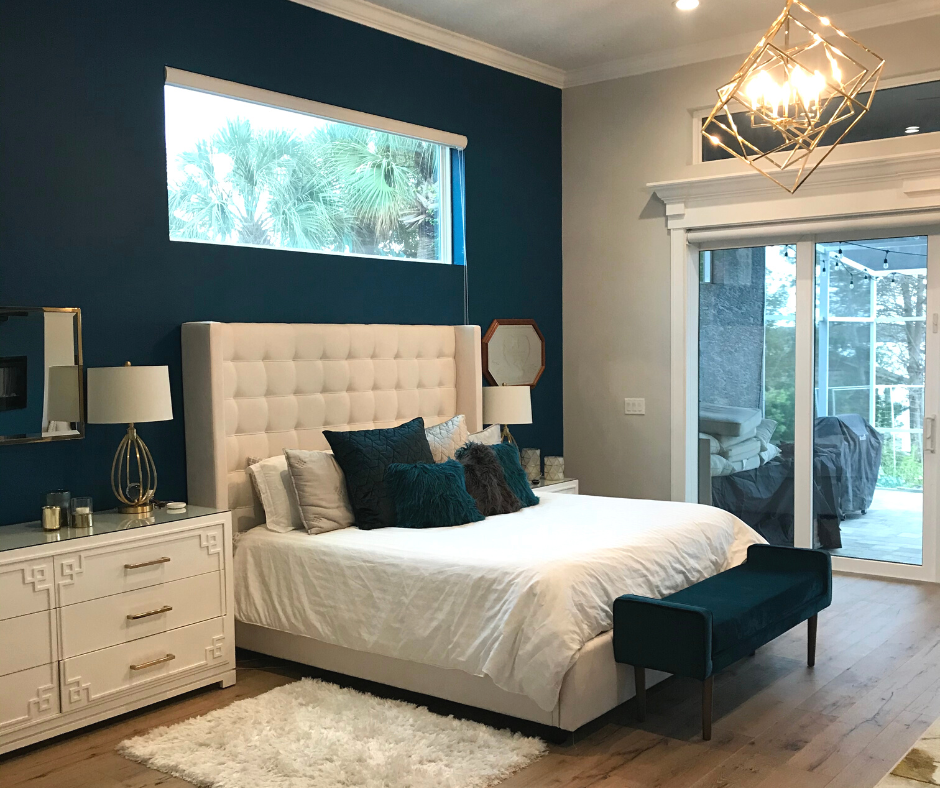
Cabinetry. Flooring. Plumbing fixtures. Appliances. Lighting. Tile. Countertops. Hardware. Paint.
And those are just the obvious ones.
If a particular appliance has a long lead time, we need to know that.
If cabinetry needs to be finalized before another measurement can happen, we need that decision.
If tile is backordered for three months, we don’t want to discover that the week we’re ready to install it.
Good planning helps us anticipate those things.
You don’t necessarily need to know every finish you want on the day we first meet.
But as construction progresses, making decisions when they’re needed helps keep everything moving.
What If You Change Your Mind?
You probably will.
Almost everyone does about something.
That’s one of the reasons you’re building custom.
Maybe you see the framed kitchen and decide you’d rather have a different cabinet configuration. Maybe you find a light fixture you like better. Maybe you decide the outdoor kitchen deserves more attention than you originally planned.
Changes aren’t automatically a problem.
What matters is when the change happens and what else it affects.
Moving something on a drawing is very different from moving it after plumbing, electrical or cabinetry has been installed.
That’s why communication throughout the build is so important.
Don’t Judge Progress Only by What You Can See
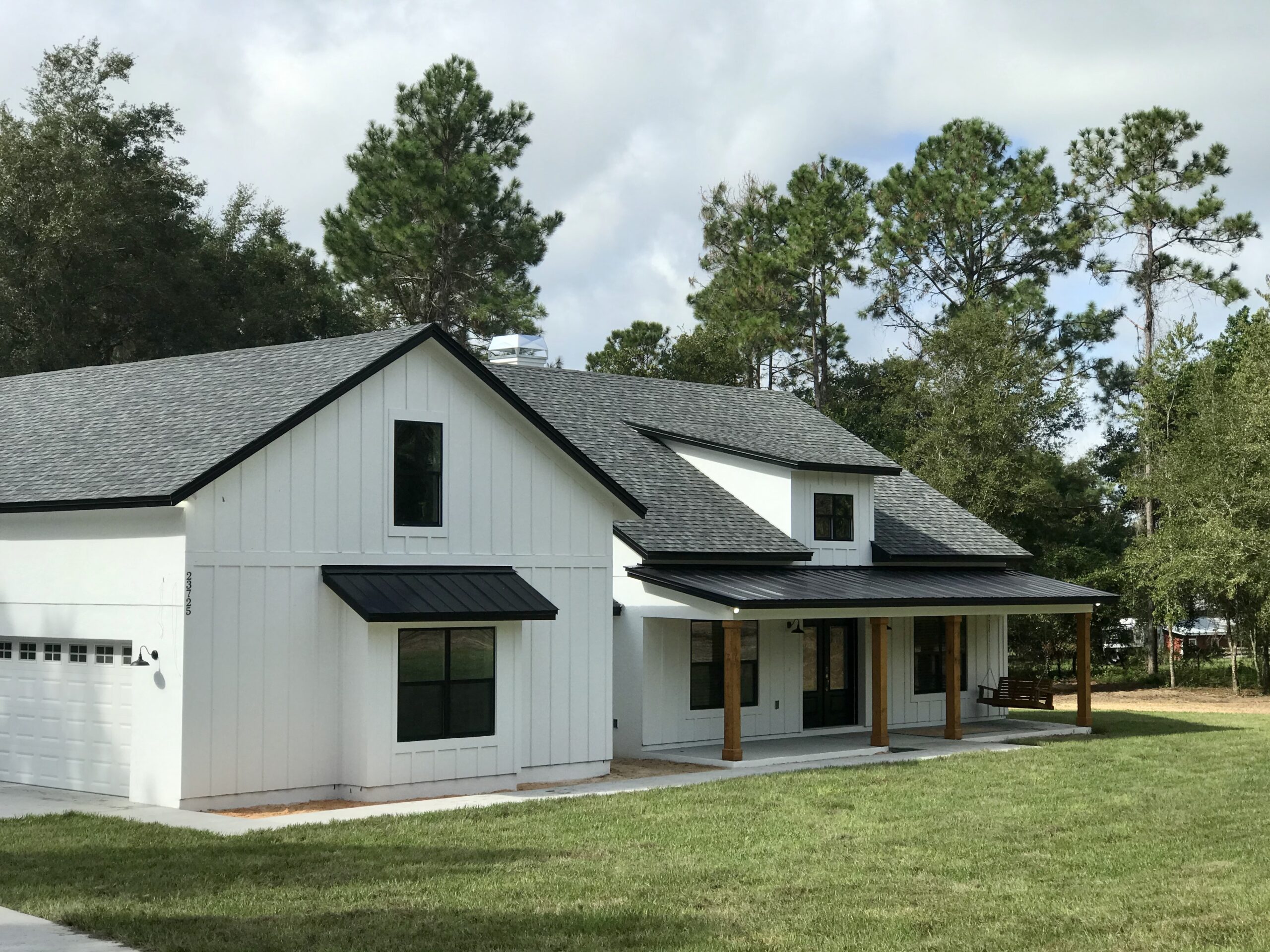
There will be weeks when your home seems to change overnight.
You visit on Friday and framing has transformed the entire property.
Then there will be times when you visit and think:
“Did anything happen this week?”
Probably.
It just may not be something dramatic enough for a photograph.
Inspections, mechanical work, electrical, plumbing, waterproofing, ordering, coordination and dozens of other details are all part of moving the home forward.
Construction doesn’t always progress in a perfectly photogenic sequence.
So, When Should You Start?
Earlier than you probably think.
If you know you’d like to be living in your custom home by a certain season or date, don’t count backward only from the construction phase.
Give yourself room for planning.
Give yourself room for design.
Give yourself room to make thoughtful decisions.
And give the builder time to understand what you’re actually trying to create.
After more than three decades of building custom homes in Central Florida, I’ve learned that homeowners rarely regret the time we spent getting something right.
They do sometimes regret the decisions they felt rushed into.
A custom home is a big investment, but it’s also where you’re going to wake up on an ordinary Tuesday morning, celebrate holidays, welcome family and live a lot of everyday life.
A few extra weeks spent thinking through the details can feel very small compared with the years you’ll spend living with them.
Thinking about building a custom home in Central Florida? Let’s start the conversation before you’re ready to break ground. Sometimes the best first step isn’t construction at all. It’s simply talking through what you want to build, where you want to build it and what it will take to get there.
—Jim Rahman
Westmont Custom Homes