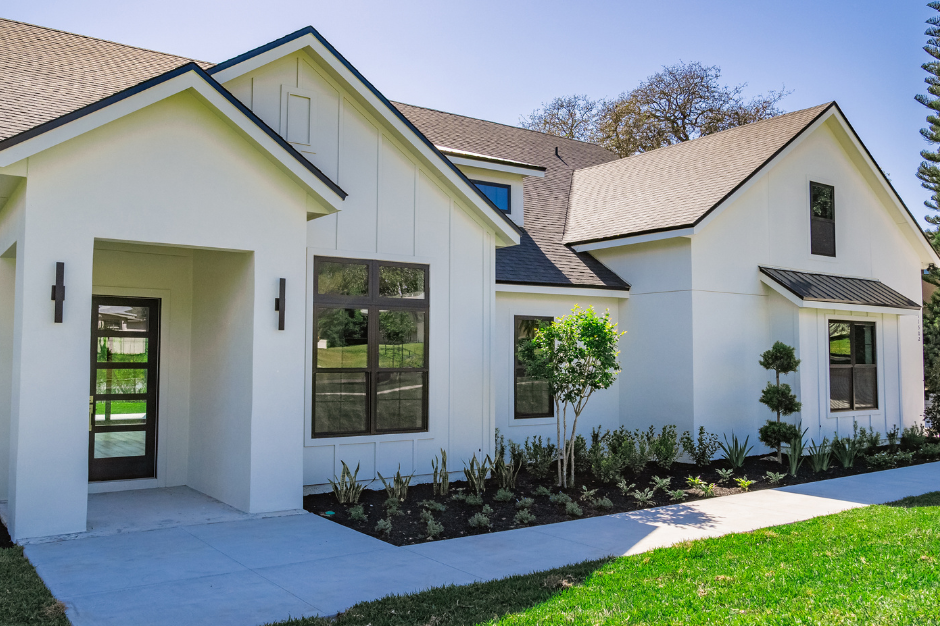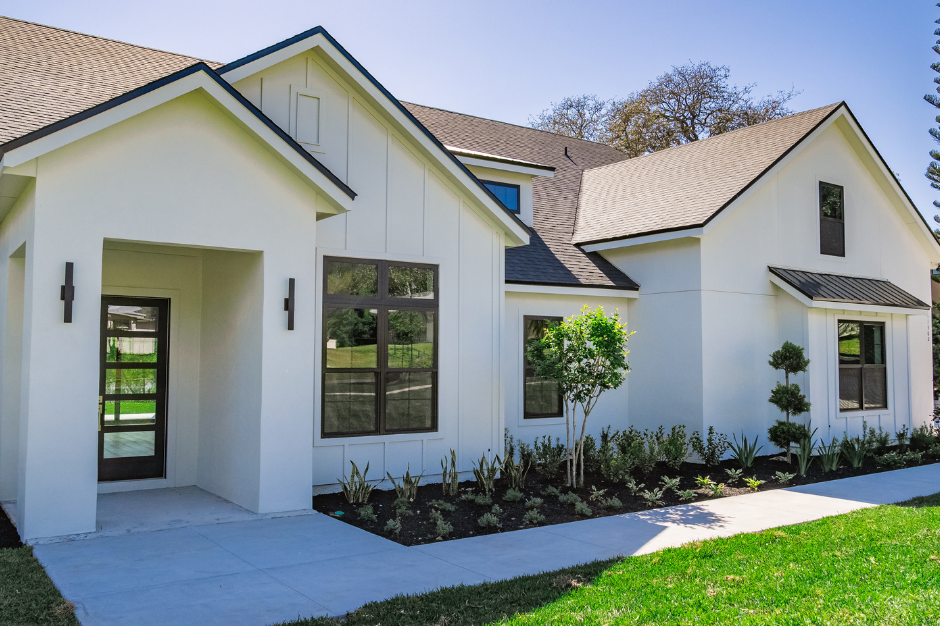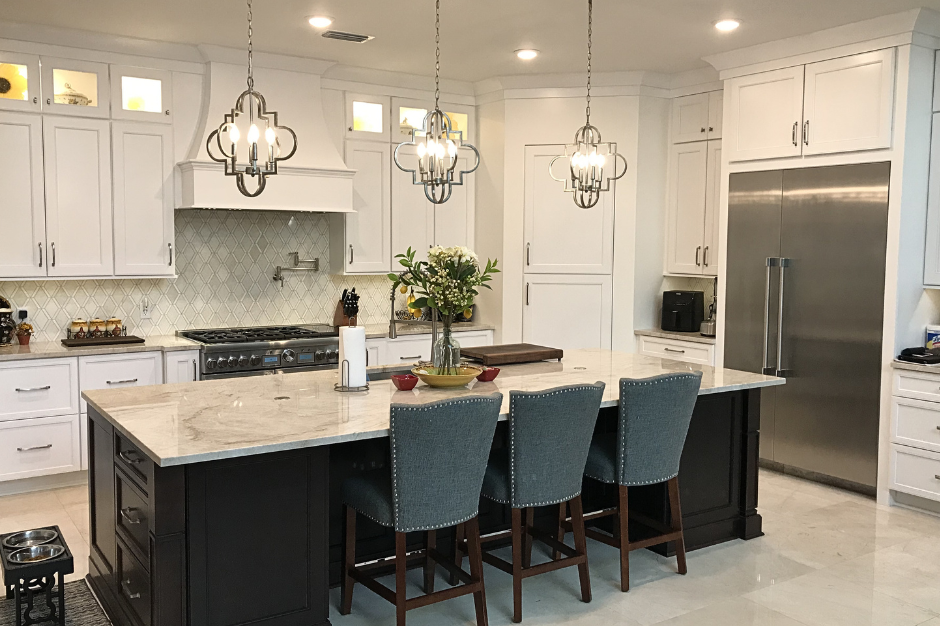

Owning a piece of land is exciting. Whether it’s a family property that’s been passed down for generations, a wooded lot tucked away in the countryside, or the perfect homesite you’ve been searching for, it’s easy to think the hardest part is behind you.
In reality, purchasing the land is just the beginning.
One of the things I’ve learned over the years is that no two lots are ever the same. That’s one of the reasons I enjoy building custom homes—every project brings unique opportunities, challenges, and decisions that ultimately shape the finished home.
If you’re thinking about building on your own lot, here are a few things I’d encourage you to consider before construction begins.
Don’t Design the House Before You Understand the Land
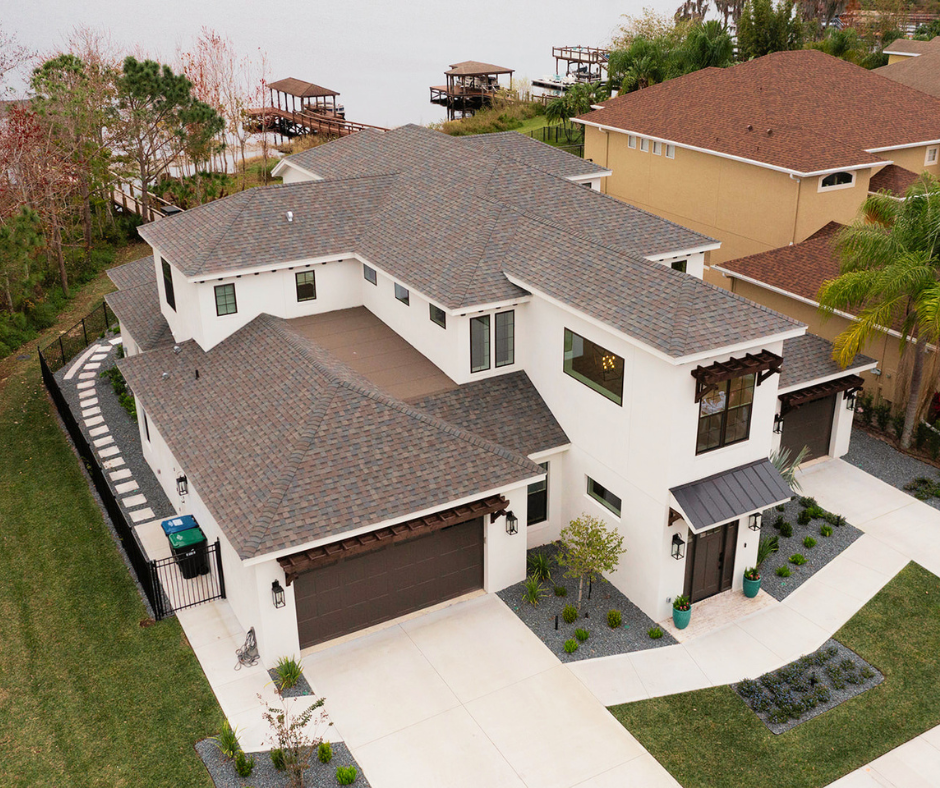
It’s natural to fall in love with a floor plan before you ever walk your property. But one of the biggest mistakes I see is trying to force a home onto a lot instead of designing around the lot itself.
Your homesite should influence the design—not the other way around.
The location of mature trees, elevation changes, drainage, setbacks, utility easements, and even the direction of the sun all play an important role in determining the best placement for your home.
Sometimes moving a home just a few feet can improve privacy, preserve beautiful trees, create a better backyard, or maximize your views.
Those are conversations worth having early.
Think Beyond the House
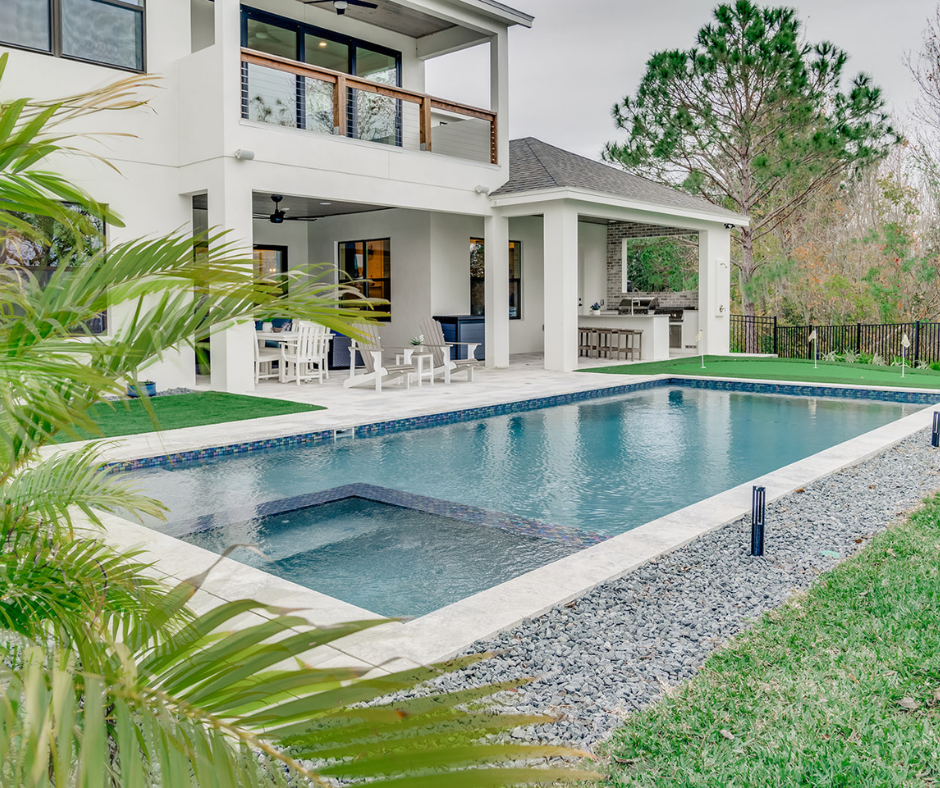
When people picture their future home, they’re usually focused on the kitchen, great room, or primary suite.
But the lot itself deserves just as much attention.
Ask yourself:
- Where will guests park?
- How will you access the garage?
- Where will your outdoor living area receive morning or afternoon sun?
- Will you eventually want a pool?
- Is there room for a detached garage, workshop, or RV storage in the future?
Thinking several years ahead often leads to better decisions today.
Utilities Can Affect More Than You Think
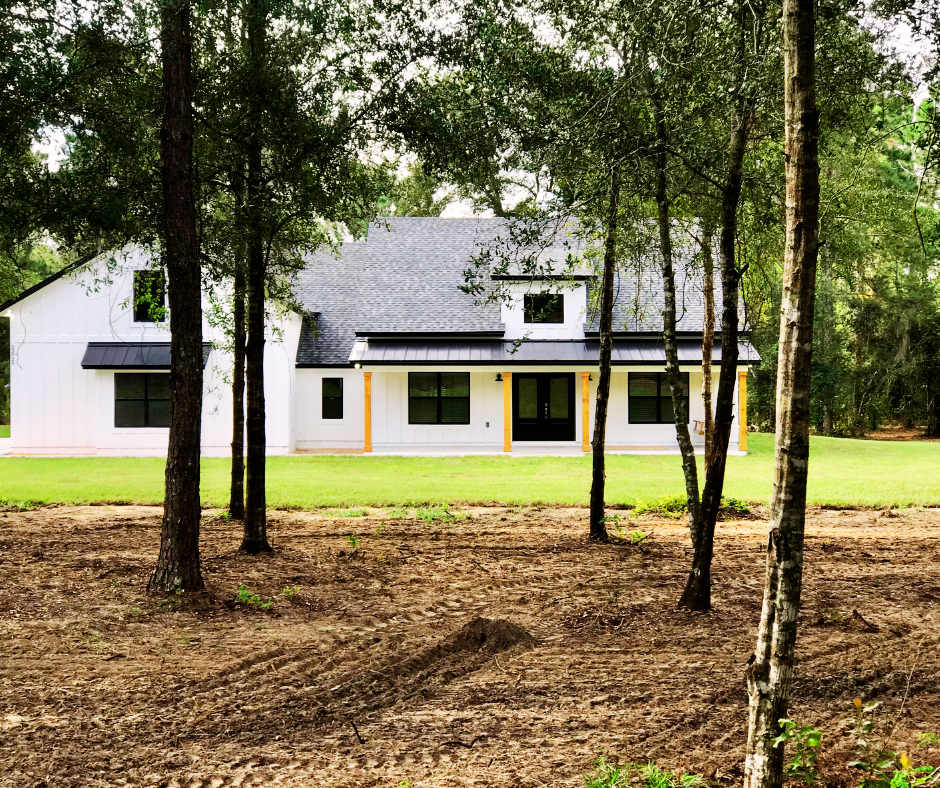
One surprise for many homeowners is how much utilities influence the layout of a home.
Depending on your property, you’ll need to consider water, sewer or septic, electrical service, internet access, and drainage requirements.
These aren’t the most exciting parts of the project, but they’re some of the most important.
Planning for them early can help avoid unexpected costs and keep your project moving smoothly.
Walk Your Property at Different Times of Day
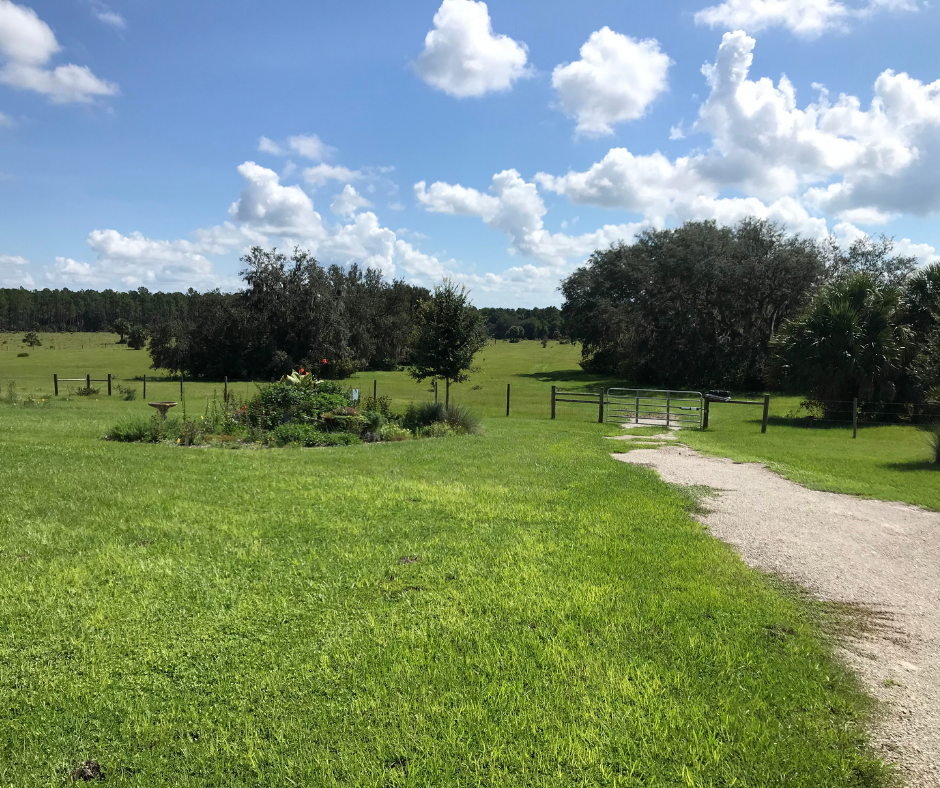
This is one piece of advice I give often.
Visit your lot more than once.
Walk it in the morning.
Come back in the afternoon.
Visit after a rainstorm if possible.
Notice where the sun rises and sets. Pay attention to breezes, shade, and views you may not have noticed the first time.
These small observations can influence everything from window placement to outdoor living spaces.
A beautiful view from your future back porch may simply be a matter of turning the house a few degrees.
Jim’s Pro Tip: Before finalizing your floor plan, spend time on your property after a heavy rain. You’ll gain valuable insight into drainage, standing water, and how the land naturally sheds water—details that can influence grading, home placement, and long-term enjoyment of your property.
Build for the Way You Live
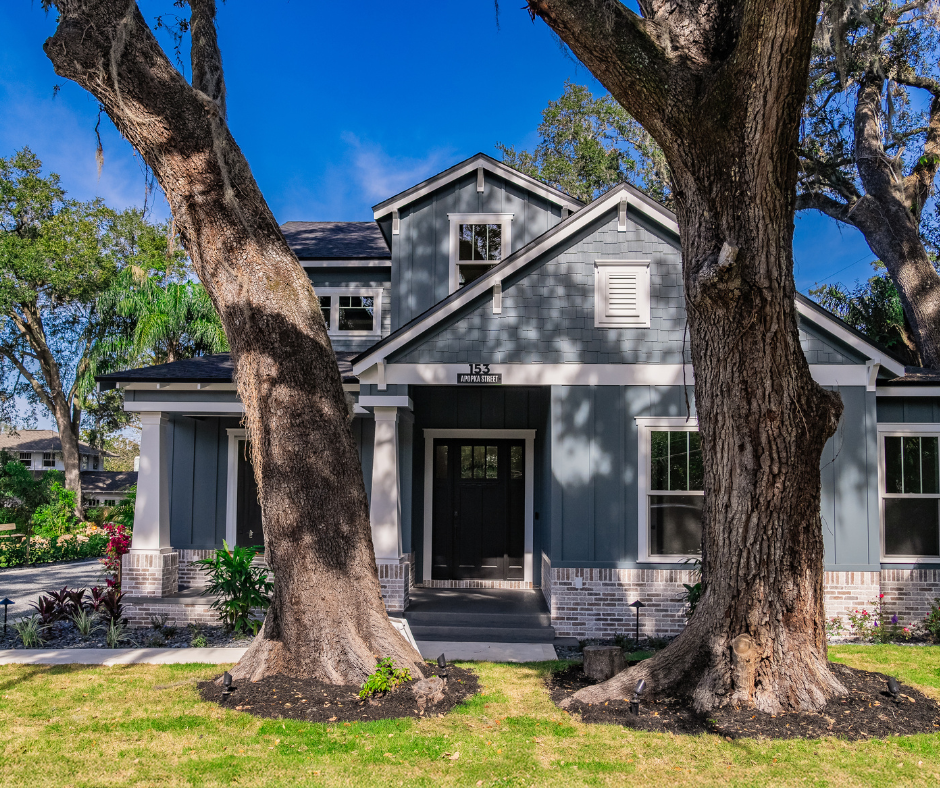
Your lot is unique, and your home should be too.
If you love entertaining, you may want your outdoor living space positioned differently than someone who values privacy.
If you’re an early riser who enjoys coffee on the porch, morning sunlight may matter more than afternoon shade.
Every family uses their home differently, and those lifestyle conversations should happen long before construction begins.
The best custom homes don’t just fit the property—they fit the people living there.
Jim’s Pro Tip: Stand where you imagine your back porch or lanai will be. That’s where you’ll enjoy your morning coffee, entertain family and friends, or simply relax at the end of the day. Taking a few minutes to appreciate the view—and the direction of the sun—can make a big difference in how much you enjoy your outdoor living space.
Choose a Builder Who Looks Beyond the Blueprint
A custom builder should do more than simply build what’s on paper.
They should help you think through the details you may not have considered yet.
Over the years, I’ve found that some of the best decisions happen before construction ever starts—walking the property together, discussing how you plan to live in the home, and making thoughtful adjustments that improve both the home and the homesite.

Those conversations often make all the difference.
Every Great Custom Home Starts with a Great Plan
Building on your own lot gives you an incredible opportunity to create a home that’s uniquely yours.
By taking the time to understand the land, think ahead, and work with a builder who values thoughtful planning, you’ll set the foundation for a home that not only looks beautiful but serves your family well for years to come.
At Westmont Custom Homes, we believe every custom home should be built around the people who live in it—and every great home begins with understanding the land it’s built on.