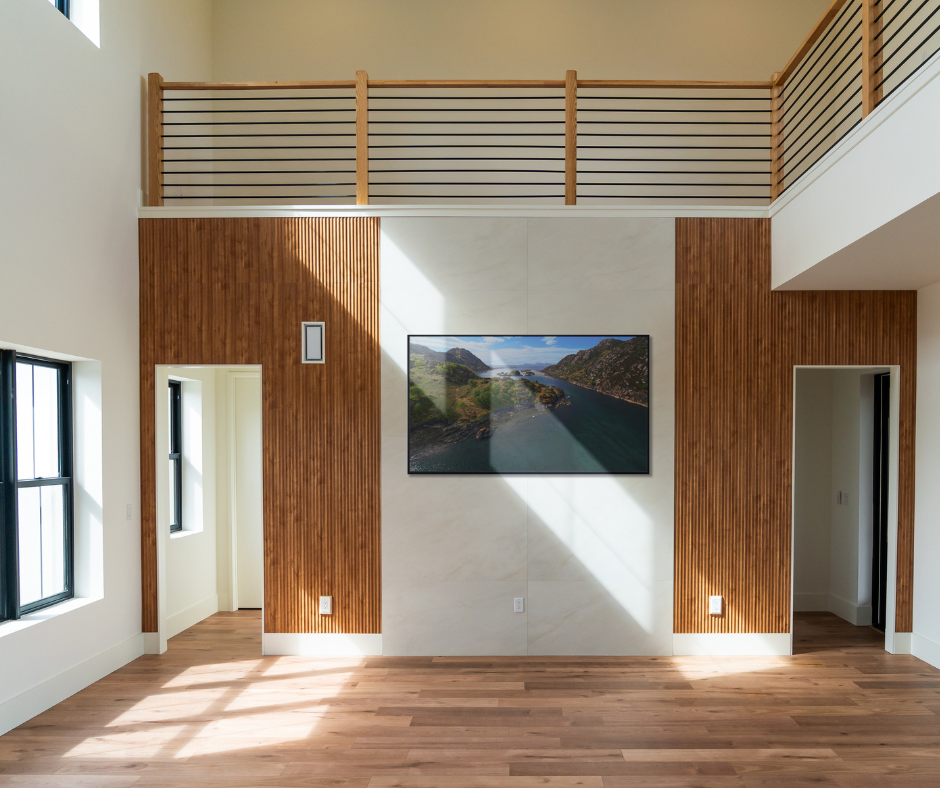

When you think about building a home, it’s easy to focus on the tangible: square footage, finishes, fixtures, and curb appeal. But the truth is, the greatest return on your investment often can’t be measured in dollars or appraisals—it’s measured in how you feel when you walk through the door.
This is the emotional ROI of homebuilding. It’s the sense of calm that comes from a sunlit kitchen in the morning. It’s the quiet retreat of a private nook where you can recharge. It’s the laughter shared in open living spaces designed for connection. A thoughtfully designed home does more than look beautiful—it nurtures your well-being and enhances your quality of life every single day.
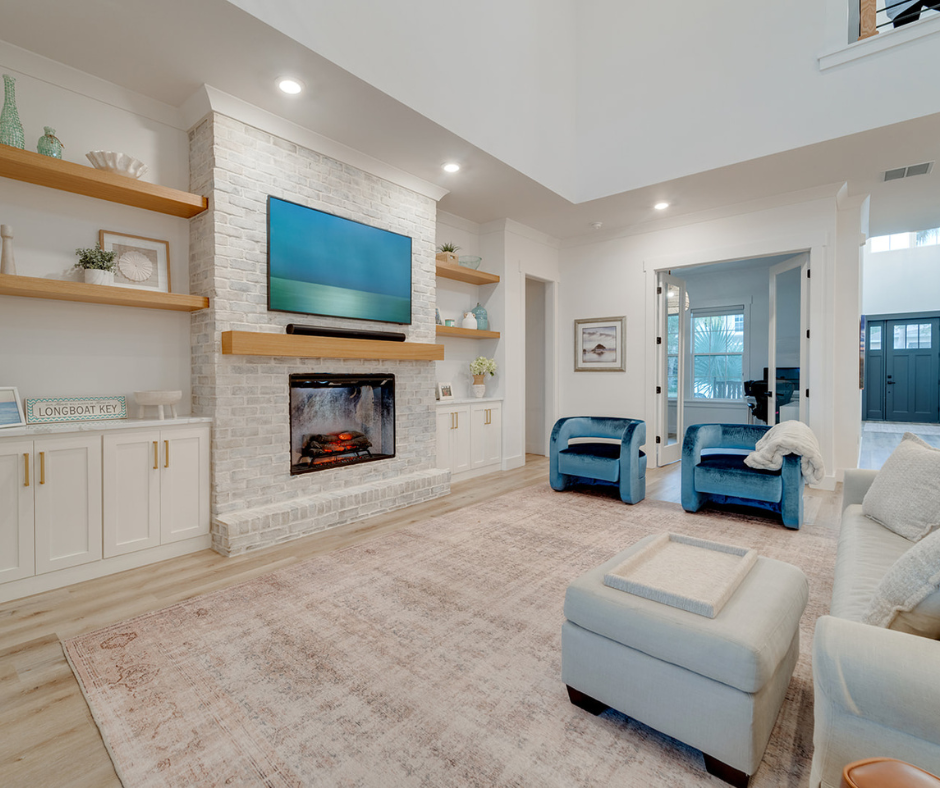
Let’s explore how psychology, design, and everyday living intersect—and why the choices you make today can create a sanctuary that feeds the soul for years to come.
Beyond Bricks and Mortar: Homes as Sanctuaries
At its core, a home is much more than walls and a roof. It’s a sanctuary—a place where we return to restore ourselves after long days, celebrate milestones with loved ones, and create memories that shape who we are.
When design is approached with intention, a home becomes a space that supports emotional health. Studies in environmental psychology consistently show that thoughtfully designed environments can lower stress levels, foster stronger relationships, and even improve cognitive performance. In other words, good design isn’t just about aesthetics—it’s about creating a lifestyle that feels balanced, inspiring, and deeply personal.
The Power of Natural Light