
There’s something magical about the holidays—the soft glow of lights inside a warm home, the familiar smell of favorite recipes, and the laughter that floats from room to room. This is the season that reminds us why home matters. It’s also the time when homeowners feel—perhaps more than any other moment in the year—how well (or how poorly) their house functions for the life they want.
At Westmont Custom Homes, we’ve seen families design their dream home with everyday living in mind… only to realize later that the heart of their most cherished memories happens when the people they love gather together. And gatherings, more than anything else, reveal whether a home was thoughtfully designed or merely assembled.
So today we’re sharing a perspective few future homeowners consider:
If you plan for holiday hosting before you build, you’ll create a home that feels effortless and joyful year-round.
Here’s how to do it.
Why Holiday Hosting Needs to Be Part of Your Design Conversation
Most people begin the homebuilding journey thinking about square footage, bedroom count, layout preference, and aesthetic details. But very few stop to ask:
“How many people do we host when life is at its fullest?”
Holidays act as a natural “stress test” for a home. They bring overnight guests, extended mealtimes, more foot traffic, and far more activity than the average Tuesday. This is when small design oversights become big frustrations—bottlenecked hallways, a too-small pantry, not enough seating, or a kitchen layout that feels like a traffic jam.
When you plan for these moments at the blueprint stage, you prevent expensive renovations later and create a flow that supports your life instead of competing with it.
Designing for holidays isn’t just about the holidays—it’s about designing with intention.
Designing the Kitchen as the Heart of Hospitality
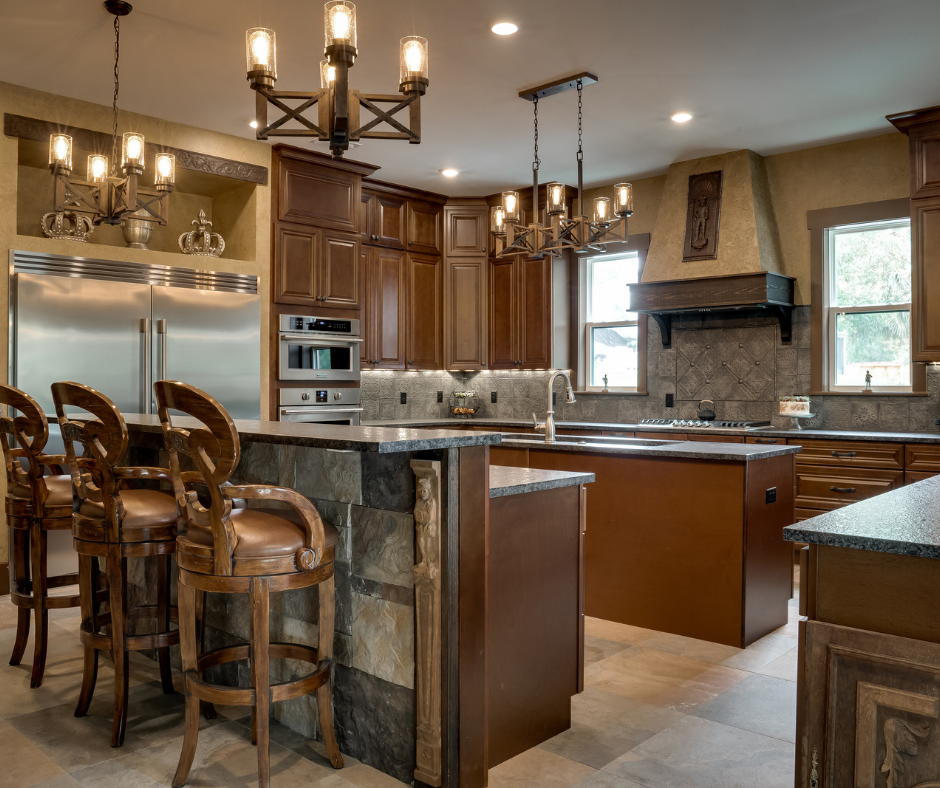
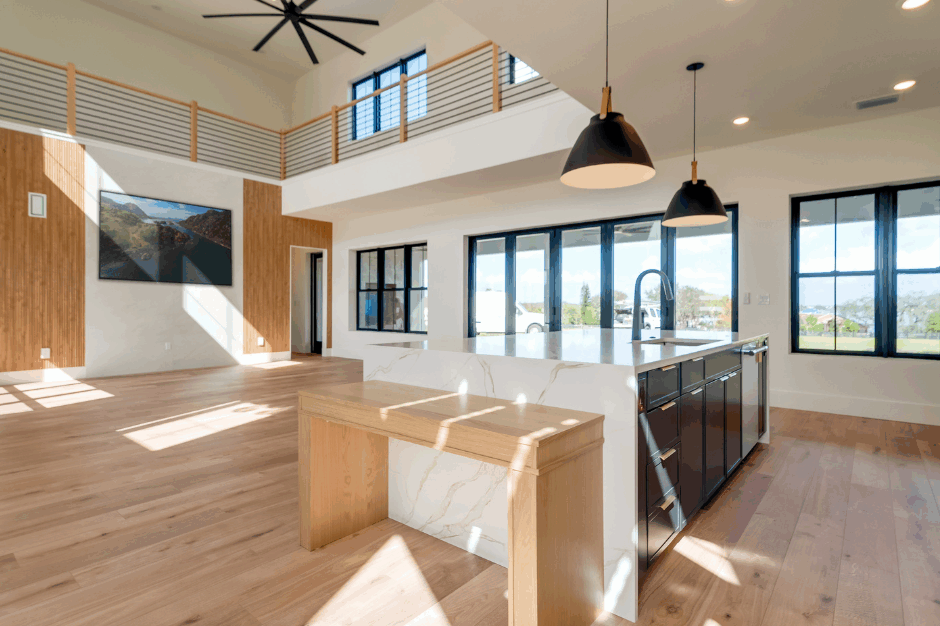
Every family celebrates differently, but one truth is universal: during the holidays, the kitchen becomes the heartbeat of the home.
It’s where recipes passed down from generations simmer on the stove, where stories are exchanged while cookies cool, and where memories are stirred into the simplest meals.
A hosting-ready kitchen is designed for movement, conversation, and ease.
The Holiday Triangle
Think of your kitchen as a working triangle of:
- Prep
- Cooking
- Serving
A thoughtful flow prevents overcrowding while inviting participation.
Storage That Reduces Stress
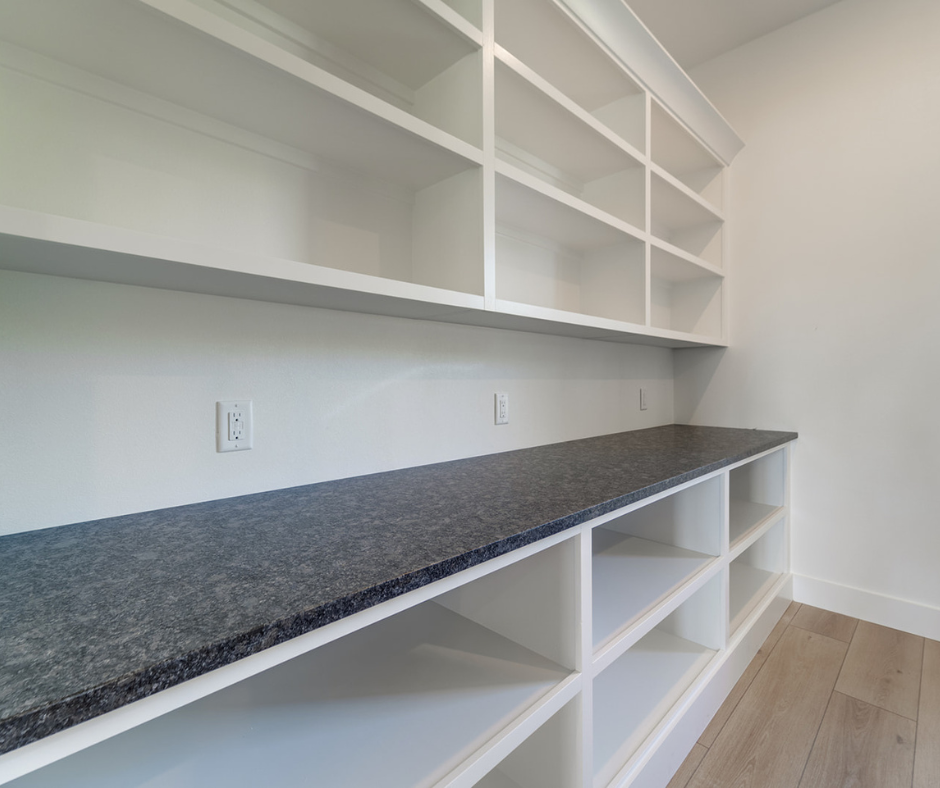
During the holidays, countertop clutter triples—specialty dishes, roasters, containers, serving platters, holiday décor, and gifts all take up space. Smart storage helps you stay organized without sacrificing beauty.
Consider:
- A hidden pantry big enough for seasonal items
- Island shelving for dishes you use daily
- An appliance garage to free counter space
- Deep drawers for cookware
Hosting-Ready Features
Small decisions add up to big ease:
- Double ovens for simultaneous cooking
- A beverage center for guests
- Oversized island seating
- Outlets exactly where you need them
- A walk-through pantry for flow
When done well, the kitchen turns into a place where people naturally gather—and where you actually enjoy having them there.
Living Spaces That Invite Connection
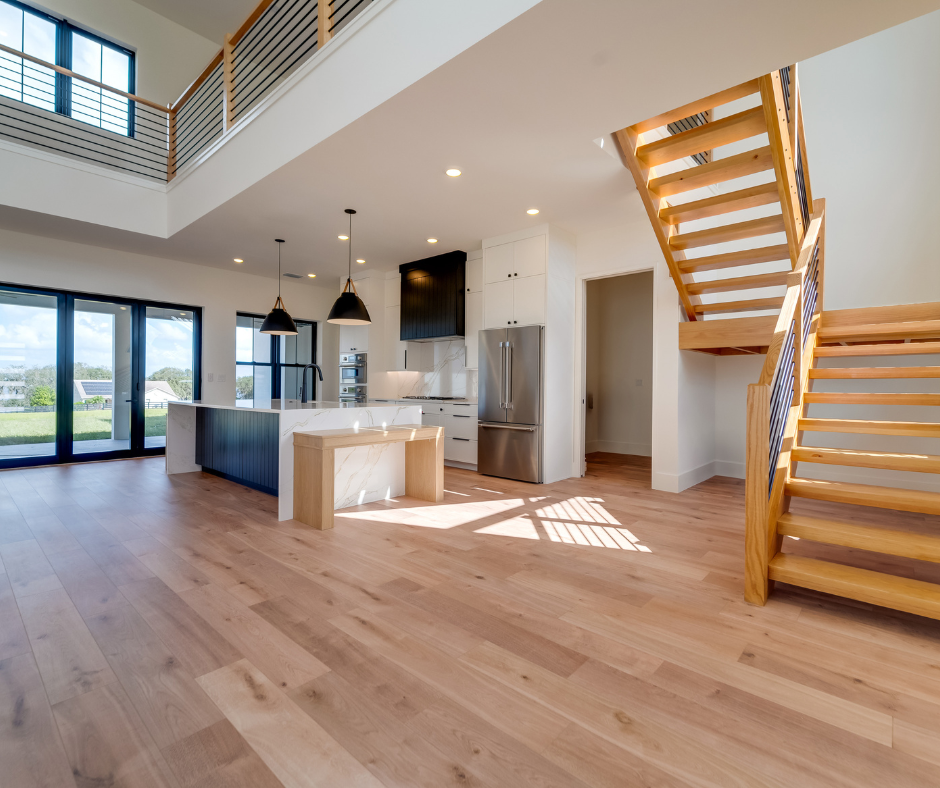
The living room is where traditions are written—stories read aloud, games played late into the night, and quiet moments of gratitude shared.
But good hosting isn’t about a massive open space. It’s about creating an intentional layout that makes everyone feel comfortable and connected.
Open-But-Inviting Layouts
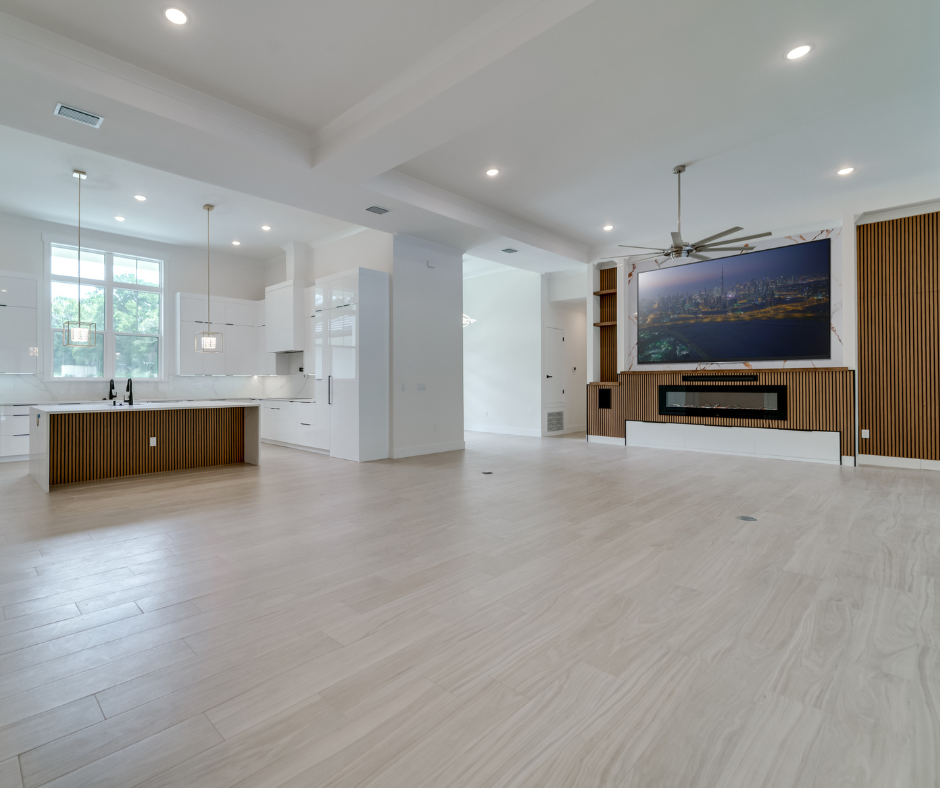
Westmont homes often incorporate open-concept living—but never at the cost of warmth. Sightlines matter. Too open feels like you’re living in a gymnasium. Too closed feels isolating.
The goal is flow without losing intimacy.
Flexible Seating for Seasonal Needs
Your everyday living room might only need a sofa and two chairs—but holidays might require space for 10, 12, or more.
Thoughtful design includes:
- Built-ins
- Window seats
- Spaces that can expand when needed
- Dining areas for larger tables
Lighting That Sets the Mood
Nothing impacts ambiance more than lighting.
Layered lighting—overhead, task, and accent—gives you control over the feeling of the space. Add dimmers, and you instantly create a more inviting holiday atmosphere.
Guest Rooms That Feel Like a Retreat, Not an Afterthought
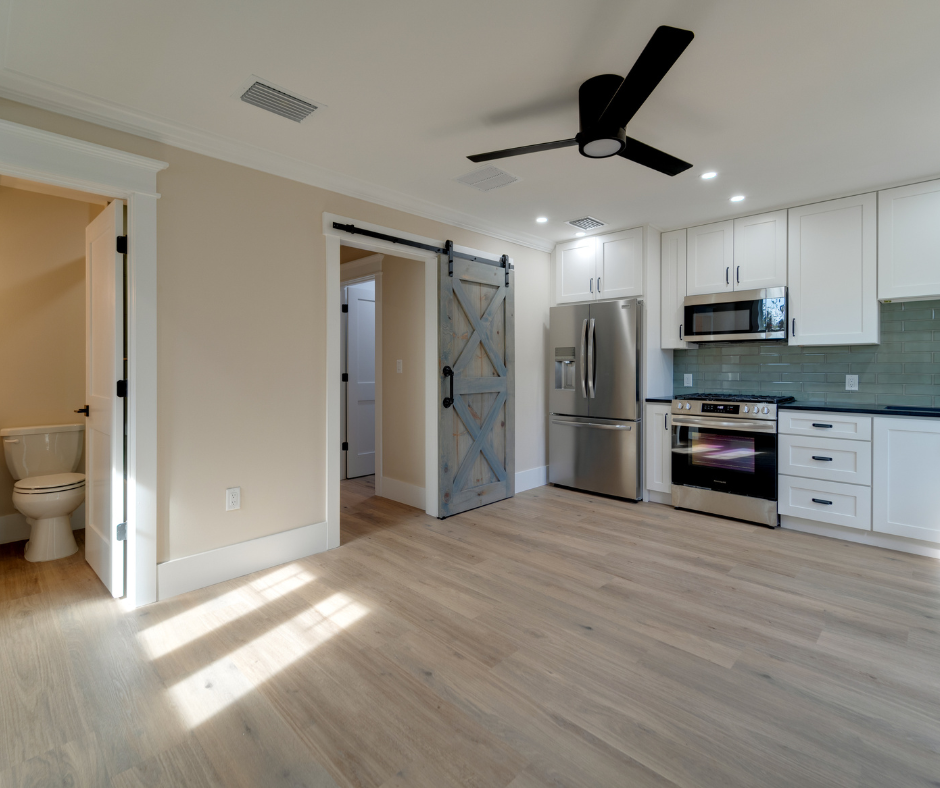
Guests make the holidays special. Whether they’re staying for a few days or a few weeks, giving them a space that feels comfortable and private elevates everyone’s experience.
Private Guest Suites
When possible, a guest suite with:
- An en-suite bathroom
- Sound insulation
- Adequate closet space
- A thoughtful layout away from main traffic zones
…makes guests feel at home (and gives you breathing room).
Multi-Use Rooms That Serve Year-Round
Your guest room shouldn’t sit unused 90% of the year.
We often design guest rooms to double as:
- Home offices
- Reading rooms
- Hobby spaces
- Workout rooms
With clever planning—like a Murphy bed or integrated storage—you maintain daily function without sacrificing hosting comfort.
Small Luxury Touches
Little details make a big emotional impact:
- USB outlets by the bed
- A small bench for suitcases
- Soft-close doors
- Blackout shades for restful sleep
The “Holiday Traffic Flow” That Few People Consider
On a normal day, you might not notice how your hallways, doorways, or entryway function. But the moment you add guests, boots, bags, coats, gifts, and constant movement, home flow becomes very real.
Entryway Efficiency
Coats, shoes, bags, and seasonal gear need a place—otherwise the entry becomes a pile-up zone.
Thoughtful design includes:
- A mudroom with built-in storage
- Hooks, cubbies, and drop zones
- Durable flooring that handles weather
Movement Through the Home
Flow determines comfort.
Consider:
- Wider hallways for multiple people
- Door placement that prevents blocking
- Stairs designed for easy navigation
Outdoor Spaces That Work in Any Season
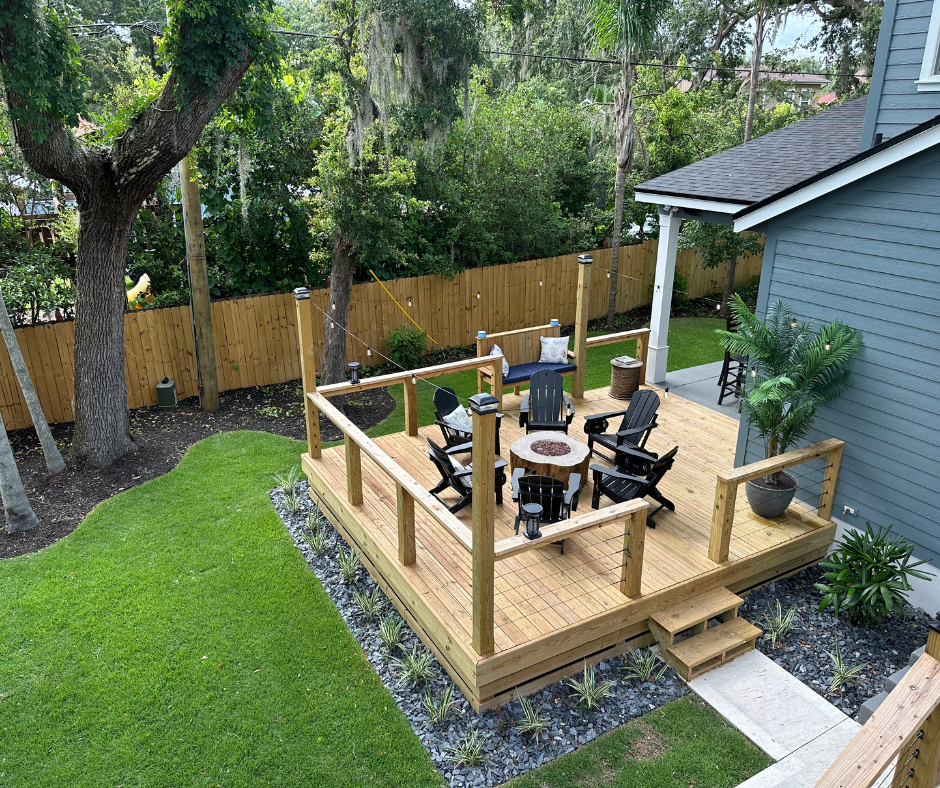
Even in cooler months, well-designed outdoor living expands your hosting space:
- Covered patios
- Firepits
- Lighting that warms the space
- Weather-friendly materials
When indoor and outdoor areas connect seamlessly, your home feels bigger without needing more square footage.
Designing for Traditions—Old and New
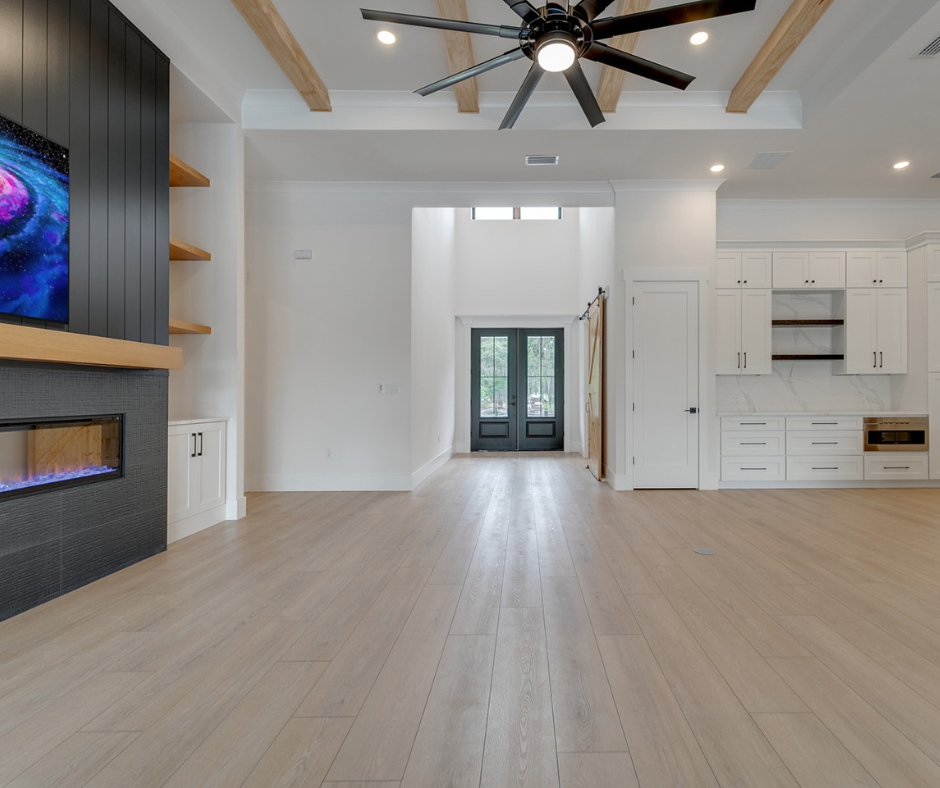
Every family has traditions—where the tree goes, where stockings hang, where holiday photos are taken, where meals are shared.
These future memories deserve space.
Intentional Spaces for Traditions
Think ahead:
- Is there a place where your tree will shine?
- Is the fireplace designed for stockings?
- Will the dining area comfortably fit your larger table?
- Is there room for kids to play nearby while adults gather?
Designing for Future Generations
Homes are long-term.
Think beyond today’s needs:
- Will you host aging parents later?
- Will adult children eventually bring partners or kids?
- Will your holiday gatherings grow over time?
A well-designed home evolves with your family story.
Traditions Make Homes Feel Alive
When you build with memory-making in mind, your home becomes more than beautiful—it becomes meaningful.
The Westmont Approach: Designing Homes That Support Real Life
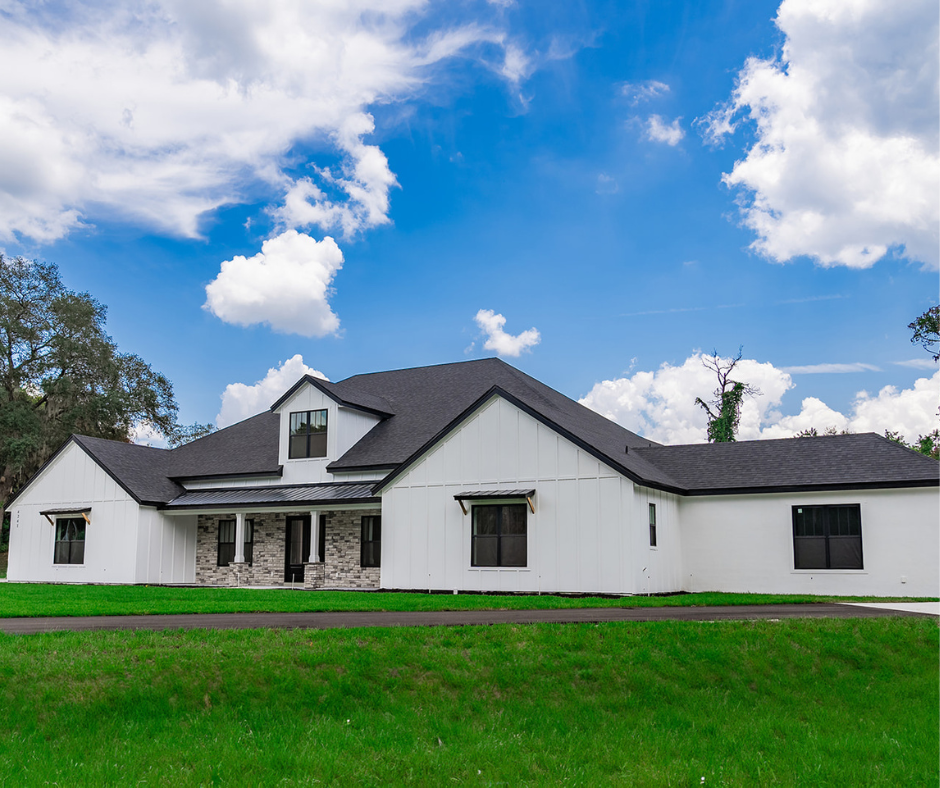
At Westmont Custom Homes, our focus is, building homes that become the backdrop for the most important moments in your life.
We spend time understanding:
- How you host
- How your family moves
- What matters most during special seasons
- How you want your home to feel
We believe design is personal.
A home should anticipate your needs, celebrate your traditions, and adapt to your lifestyle—not the other way around.
Every detail we craft is grounded in one belief:
Your home should make your life easier, more comfortable, and more joyful—especially when the people you love are gathered inside.
Conclusion: Build the Home You Want to Come Home To
Picture next year’s holiday season.
The glow of lights through the windows.
A kitchen that feels effortless to move in.
A living room arranged for connection.
Guests who feel welcomed and comfortable.
A home that supports the rhythms, traditions, and memories that matter most.
This is what intentional design makes possible.
And it all begins at the blueprint stage.
If you’re thinking about building a home designed for the way you truly live—during the holidays and every season in between—we’d love to start the conversation with you.