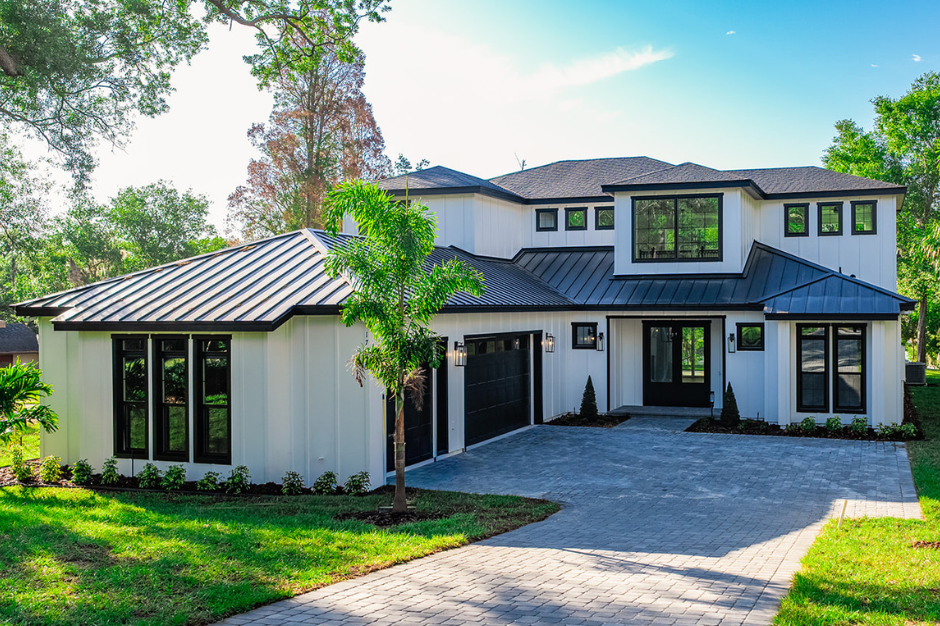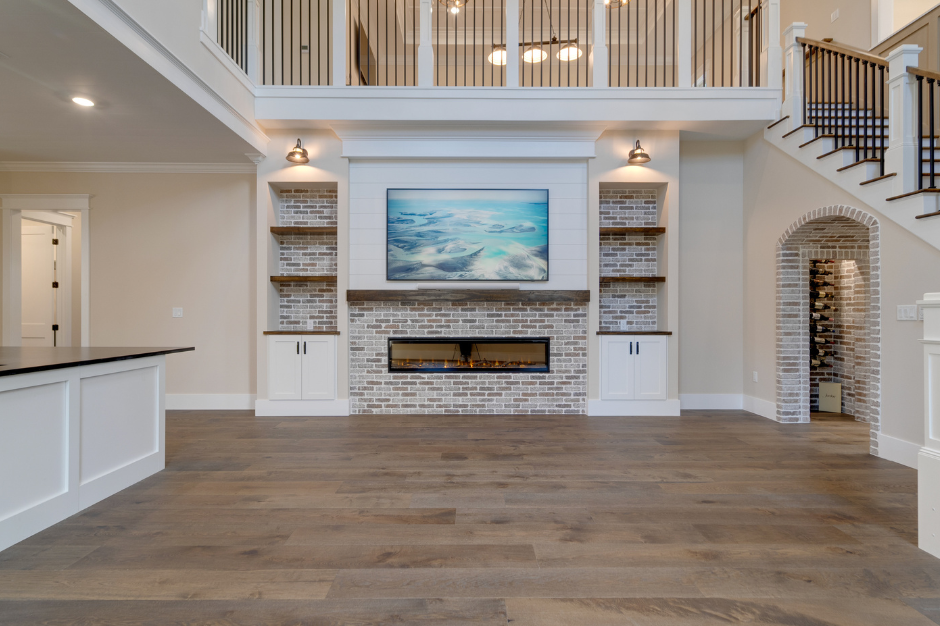

When you think about building a home, it’s easy to focus on the tangible: square footage, finishes, fixtures, and curb appeal. But the truth is, the greatest return on your investment often can’t be measured in dollars or appraisals—it’s measured in how you feel when you walk through the door.
This is the emotional ROI of homebuilding. It’s the sense of calm that comes from a sunlit kitchen in the morning. It’s the quiet retreat of a private nook where you can recharge. It’s the laughter shared in open living spaces designed for connection. A thoughtfully designed home does more than look beautiful—it nurtures your well-being and enhances your quality of life every single day.
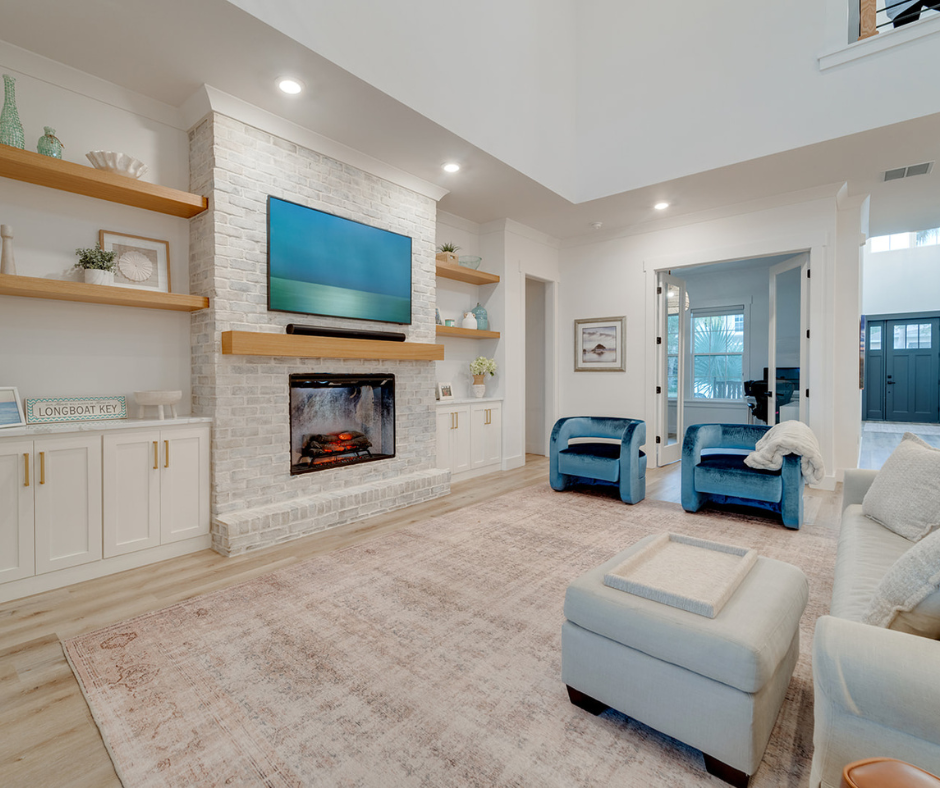
Let’s explore how psychology, design, and everyday living intersect—and why the choices you make today can create a sanctuary that feeds the soul for years to come.
Beyond Bricks and Mortar: Homes as Sanctuaries
At its core, a home is much more than walls and a roof. It’s a sanctuary—a place where we return to restore ourselves after long days, celebrate milestones with loved ones, and create memories that shape who we are.
When design is approached with intention, a home becomes a space that supports emotional health. Studies in environmental psychology consistently show that thoughtfully designed environments can lower stress levels, foster stronger relationships, and even improve cognitive performance. In other words, good design isn’t just about aesthetics—it’s about creating a lifestyle that feels balanced, inspiring, and deeply personal.
The Power of Natural Light
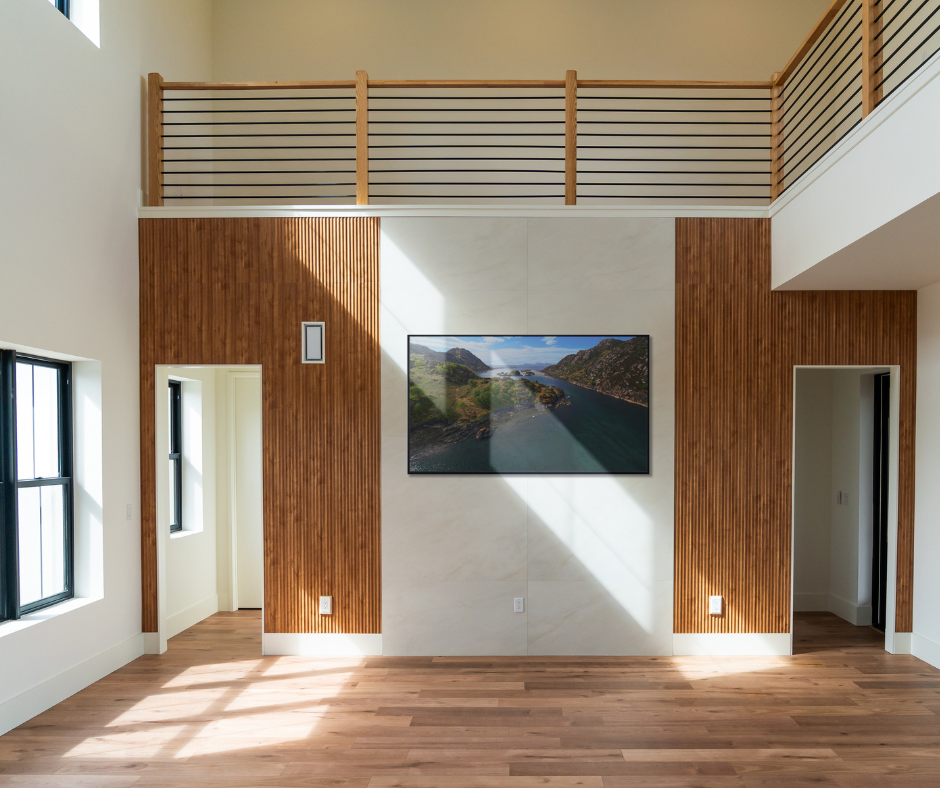
Few design elements affect mood as profoundly as light. Sunlight regulates our circadian rhythms, influences serotonin production (the “feel-good” hormone), and has been shown to improve sleep quality and mental health.
In Central Florida, where sunshine is abundant, natural light can be harnessed to transform living spaces. Large windows, glass doors, and strategically placed skylights bring the outdoors in, flooding interiors with warmth and brightness. The result is not just a visually open space, but one that actively supports emotional well-being.
Imagine starting your day in a kitchen bathed in morning light, or winding down in a living room where the sunset filters gently across the walls. These moments, while subtle, create rhythms that connect us to nature and to ourselves—an emotional ROI that far outlasts fleeting design trends.
Sensory Spaces: Engaging More Than Sight
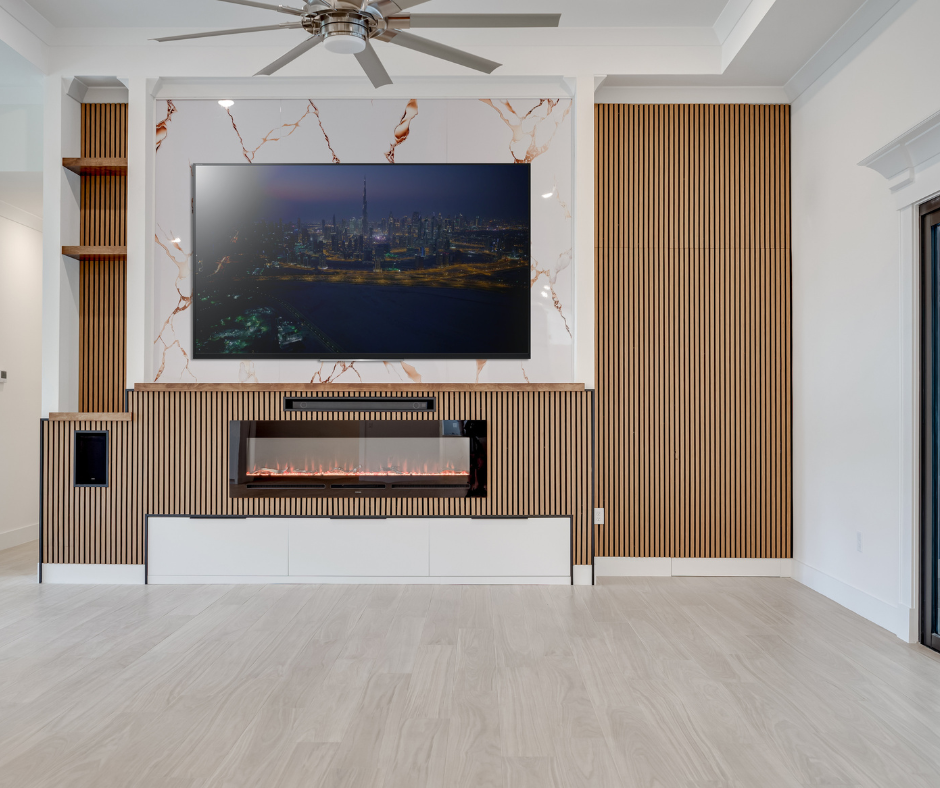
Great design doesn’t stop at what we see. A truly thoughtful home engages all the senses, creating an environment that feels grounding and alive.
- Textures: The warmth of hardwood underfoot, the cool smoothness of stone countertops, or the cozy embrace of natural fibers all affect how we experience comfort.
- Sounds: Design choices like thicker walls, sound-buffering layouts, or indoor-outdoor transitions can reduce noise pollution and create an atmosphere of calm.
- Airflow & Scents: Breezeways, screened porches, or strategically placed windows invite fresh air, bringing subtle scents of nature indoors and reducing reliance on artificial air fresheners.
By layering these sensory elements, homes move from being purely functional to becoming deeply restorative.
Privacy and Connection: The Dual Needs of Modern Living
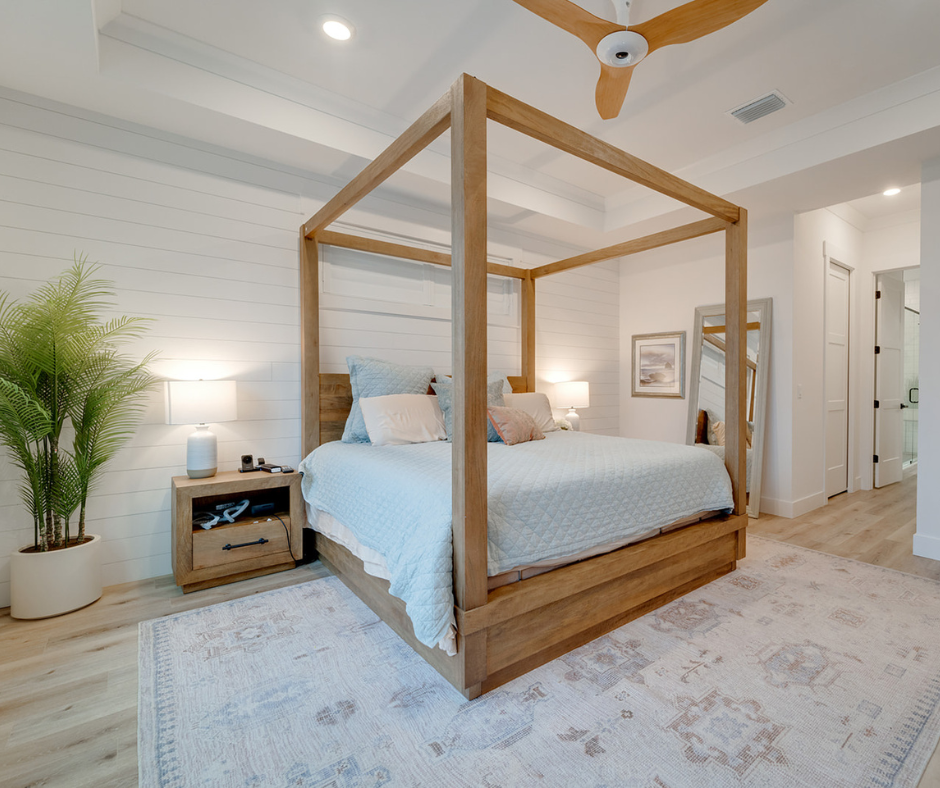
Human beings thrive on both solitude and community. A well-designed home balances these needs through spaces that allow retreat alongside areas that foster connection.
- Private spaces: Bedrooms, reading nooks, or small flex rooms allow individuals to recharge in solitude—crucial for mental health.
- Gathering spaces: Open-concept kitchens, family rooms, and outdoor living areas provide room for togetherness, encouraging shared meals, conversations, and laughter.
Flexibility is key. Families grow and change, and spaces that adapt—like multi-use rooms that shift from play areas to home offices—add to a home’s long-term emotional value. This intentional balance ensures that no matter the stage of life, the home supports both independence and connection.
Design That Supports Wellness
The emerging field of wellness architecture recognizes that homes can actively improve our health and happiness. By weaving wellness into the design process, a house becomes not just a shelter, but a holistic environment that promotes well-being.
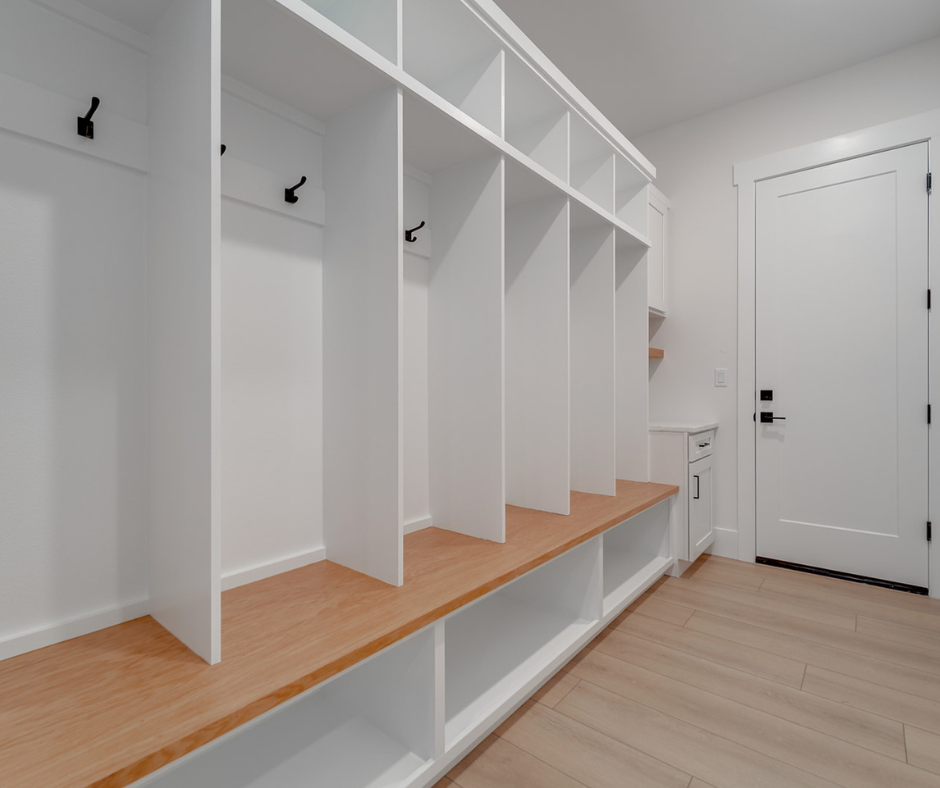
- Clutter-free storage: Built-in cabinetry, smart storage solutions, and minimalist layouts reduce visual noise and lower stress levels
- Outdoor living: Patios, lanais, and garden areas extend living space into nature, which has been proven to lower anxiety and boost mood.
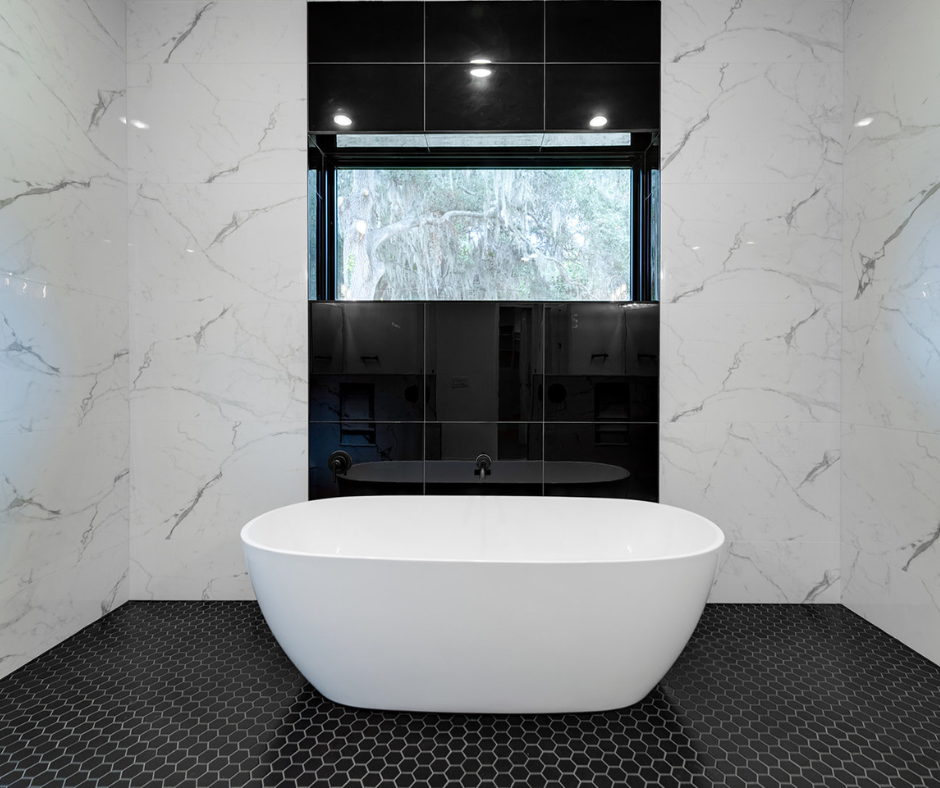
- Spa-like retreats: Bathrooms designed with calming colors, natural materials, and luxurious touches offer daily rituals of relaxation.
Wellness features may seem like luxuries at first glance, but their impact on mental and physical health provides enduring emotional ROI.
The Long Game: Emotional ROI Adds Real Value
While emotional ROI may seem intangible, its effects ripple into practical benefits as well. A home that feels nurturing and supportive leads to long-term satisfaction, meaning homeowners are less likely to experience regret or the urge to renovate unnecessarily.
What’s more, homes designed with well-being in mind often hold stronger market value. Natural light, functional layouts, wellness features, and adaptable spaces aren’t just personal comforts—they’re increasingly sought after by buyers. In Central Florida, where lifestyle and livability are as important as square footage, these features become powerful selling points.
Investing in thoughtful design is, ultimately, an investment in resilience—both personal and financial.
Conclusion: Building for the Heart, Not Just the Market
At the end of the day, the best homes are measured not by their appraised value, but by the lives lived within their walls. They are places of joy, comfort, and restoration—sanctuaries where design serves emotion, not just aesthetics.
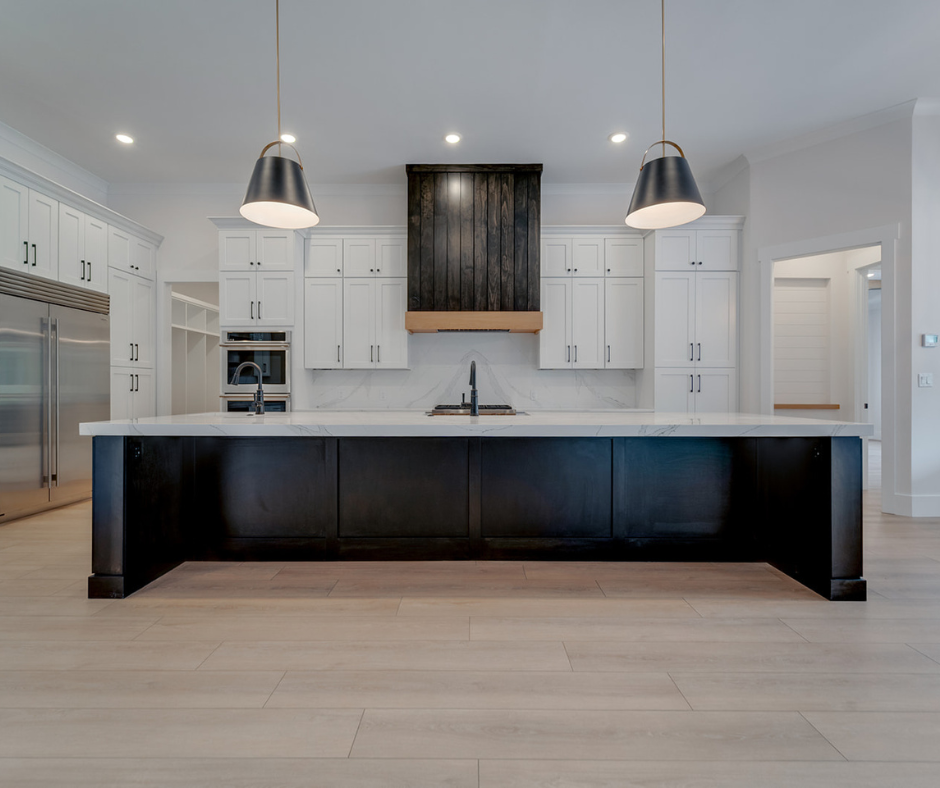
When you’re building a custom home, remember that every choice is an opportunity to create a lifestyle that nurtures you. Natural light, private retreats, gathering spaces, and sensory details all contribute to a richer quality of life.
Because true return on investment isn’t just about equity—it’s about walking through your front door and feeling, every single day, that you’re right where you belong.

Related Posts
Things to Consider Before Building a Custom Home | Westmont Custom Homes
Building a custom home is about more than choosing finishes and square footage.…